


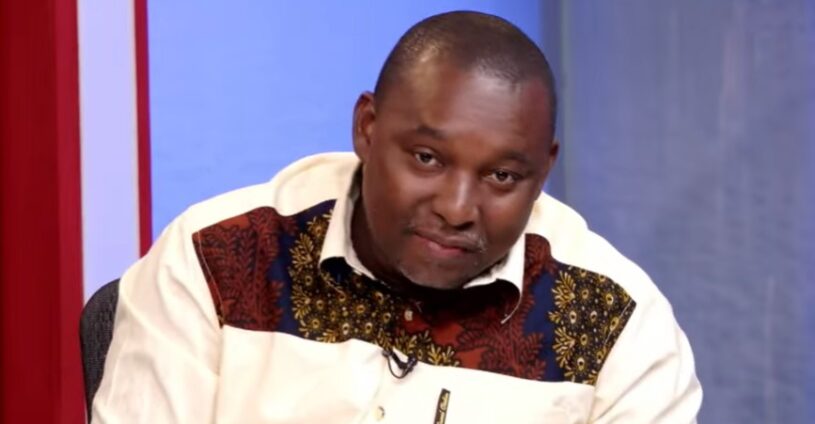
The Director of Communications for the Movement for Change, Solomon Owusu, has called for the removal of Speaker of Parliament, Alban Sumana Kingsford Bagbin, over his decision to seek a review of the circumstances surrounding the passage of the Human Sexual Rights and Family Values Bill, popularly known as the Anti-LGBTQ+ Bill.

According to Mr Owusu, the Speaker’s actions have created uncertainty around legislation that had already completed the necessary parliamentary processes and was duly passed by Parliament on May 29, 2026.
Speaking on JoyNews’ AM Show on Thursday, June 4, Mr Owusu accused the Speaker of undermining Parliament’s authority and casting doubt on a decision taken by lawmakers during a properly constituted sitting of the House.
“I mean the Speaker of Parliament has done a great deal of disservice to the people of this country and he must be called out. I have said that he must be removed under Article 95D,” he stated.
His comments come amid ongoing debate over concerns raised by Mr Bagbin regarding aspects of the legislative process that led to the passage of the bill during his absence from Parliament.
Mr Owusu argued that Parliament was validly constituted at the time the bill was considered and approved, noting that First Deputy Speaker Bernard Ahiafor, who presided over proceedings, exercised the full constitutional authority of the Speaker.
“Nobody should create the impression that because Speaker Bagbin was not the one in the chair, there wasn’t any Speaker. There was a Speaker sitting and he had the same powers as Speaker Bagbin,” he said.
He maintained that parliamentary procedures were followed throughout the legislative process and suggested that any concerns the Speaker may have had should have been addressed internally rather than through public statements.
“What prevented him from calling the leadership of Parliament and discussing it in camera?” Mr Owusu questioned.
“If you had discussed this with the leadership and expressed your reservations, why must you come to town and create the impression as though there is something wrong with the bill that has been passed?” he added.
Legislative Process
Mr Owusu further argued that the bill underwent extensive scrutiny before reaching the plenary stage, including consideration by Parliament’s Constitutional, Legal and Parliamentary Affairs Committee, where both Majority and Minority members were represented.
According to him, any significant concerns regarding the legislation should have been raised either during committee deliberations or during debate on the floor of Parliament.
“The reason you bring a bill to the plenary is for members who may not have been part of the committee process to raise concerns. What issues were raised that were not considered?” he asked.
He contended that the Speaker’s intervention risks undermining confidence in Parliament’s decision and could delay the progression of legislation that has attracted considerable public attention.
References to Speaker’s Earlier Support
Mr Owusu also pointed to previous public statements by Speaker Bagbin in support of the proposed legislation.
He claimed that the Speaker had publicly advocated for the bill’s passage during engagements with religious leaders and traditional authorities and had repeatedly encouraged Parliament to expedite consideration of the measure.
“Speaker Bagbin met the clergy and told the entire world that he would make sure the LGBTQ bill was passed as soon as possible,” he alleged.
According to Mr Owusu, it is therefore inconsistent for the Speaker to now appear to question the outcome of a process he had previously supported.
Public Expectations
Mr Owusu said many Ghanaians expected the legislation to proceed to the next constitutional stage following its passage by Parliament, namely transmission to President John Dramani Mahama for consideration and possible assent.
He argued that the bill continues to enjoy strong public support, particularly among those who view it as aligned with Ghana’s cultural, religious and moral values.
“From a cultural perspective, from a moral perspective and from a religious perspective, about 99 per cent of the people of this country believe that this law must be there,” he said.
While acknowledging that opinions differ on aspects of the legislation, Mr Owusu maintained that Parliament’s decision reflected the views of a significant segment of the Ghanaian population.
The Human Sexual Rights and Family Values Bill seeks to prohibit LGBTQ+ activities, advocacy and promotion in Ghana. It has become one of the most widely debated pieces of legislation in recent Ghanaian history, attracting support from religious groups, traditional leaders and conservative organisations, while drawing criticism from human rights advocates and sections of the international community.
Following the bill’s passage on May 29, questions surrounding procedural concerns raised by parliamentary leadership have sparked renewed debate about the legislation’s future and the steps required before it can be presented to the President.
The controversy has also triggered broader discussions about parliamentary procedure, legislative independence and the constitutional role of the Speaker in Ghana’s law-making process.


