


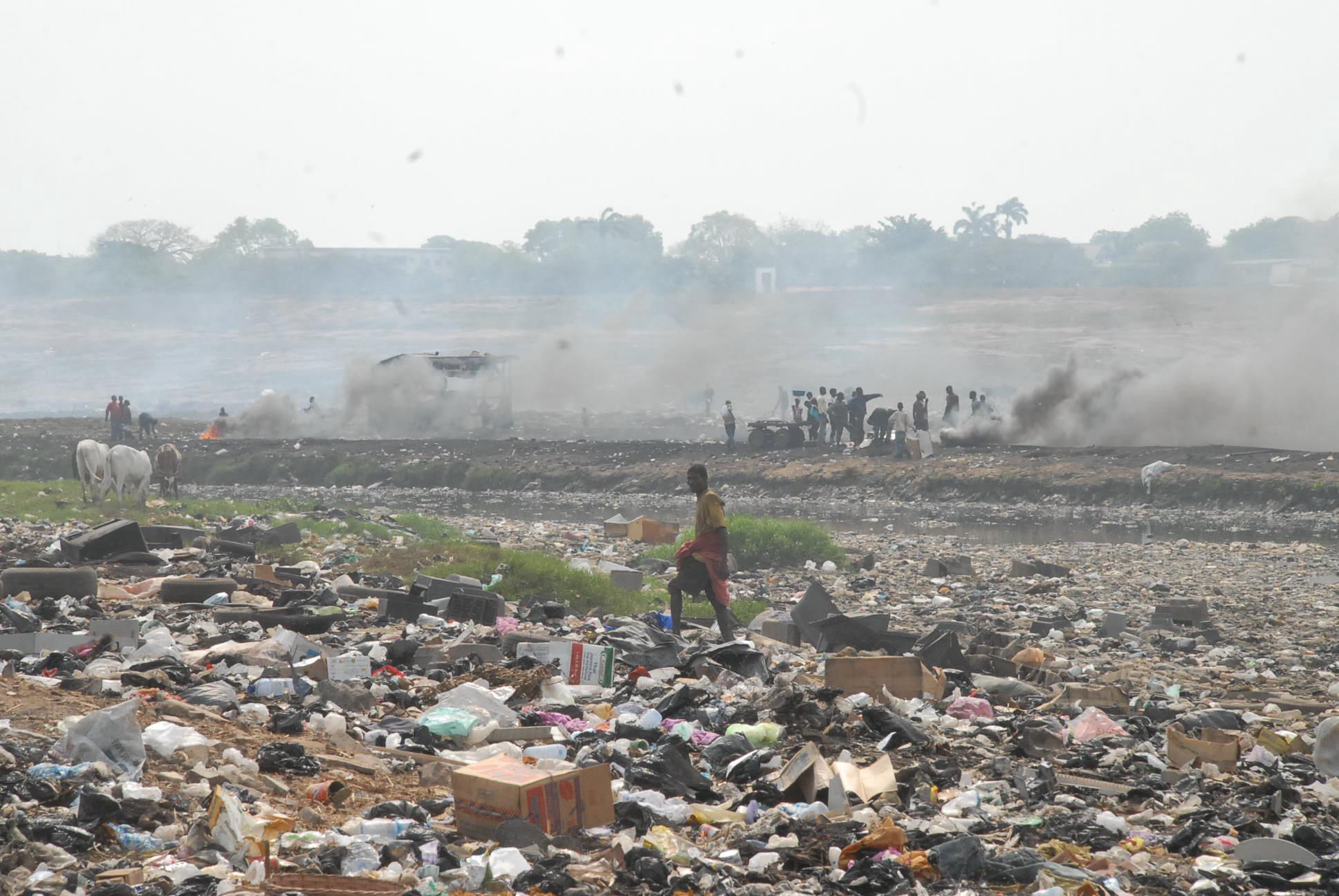
Before Zoomlion and the Jospong Group, waste was a child’s burden—literally. Buckets of refuse were carried on heads, disease spread unchecked, and sanitation workers were shunned. Today, Ghana stands taller with 36 modern treatment plants. This is the story of how one group changed everything—and how Ghana is outpacing many African peers still battling the waste management crisis.

Once upon a time in Ghana, waste disposal was a matter of survival, not strategy. Communities lived with overflowing dumpsites, children grew up navigating piles of filth, and the stench of neglect lingered in the air. Sanitation workers were invisible—seen yet scorned. But today, a new story is being written. A story of innovation, investment, and a quiet revolution—led by a Ghanaian powerhouse: Zoomlion Ghana Limited and its parent conglomerate, the Jospong Group of Companies (JGC).

A Nation Cries Out for Change
In the early 2000s, waste management in Ghana was largely manual, fragmented, and severely underfunded. The consequences were dire: rampant cholera outbreaks, clogged drains, and mounting health risks. But while many African countries continued to struggle with these same issues, Ghana took a different path. A bold vision emerged—to transform sanitation into a science, and waste into wealth.

Zoomlion
Founded in 2006 by Dr. Joseph Siaw Agyepong, Zoomlion started with a few tricycles and a mission to professionalise waste management. What followed was the rapid rise of a national system. Through a blend of local partnerships, innovation, and relentless drive, Zoomlion deployed thousands of waste bins, refuse trucks, street sweepers, and a new generation of trained sanitation workers. Public education campaigns helped shift behavior, and a culture of accountability began to take root.
The Infrastructure Revolution
Zoomlion’s real game-changer, however, has been infrastructure. Through the Jospong Group, it led the construction of 36 modern waste treatment and recycling plants nationwide—something few African countries can claim. These include:
Integrated Recycling and Composting Plants (IRECOPs)
Medical Waste Treatment Facilities
Faecal Sludge Treatment Plants (FSTPs)
Plastic Waste Recycling Centres
In contrast, many sub-Saharan African countries still lack even basic waste segregation facilities. In cities like Lagos, Nairobi, and Kinshasa, uncollected waste piles line streets, while dumpsites grow into toxic mountains. Waste management is often left in the hands of overstretched municipal bodies or informal collectors, with little coordination or long-term strategy. According to the UN-Habitat, over 70% of urban waste in Africa remains uncollected or improperly disposed of, contributing to flooding, air pollution, and public health emergencies. While some countries like Rwanda and South Africa have made commendable progress, Ghana’s structured, private-sector-led approach stands out as one of the continent’s more scalable models.


Changing the Face of Sanitation Work
Perhaps the most profound change has been in the people. Sanitation work—once seen as demeaning—is now a symbol of dignity. Zoomlion employs tens of thousands of workers, many of whom are women, giving them stable incomes, insurance, and professional recognition. In cities like Accra, Tamale, and Takoradi, sanitation workers are now part of the urban landscape—visible, respected, and vital.
A Public-Private Model Worth Emulating

Zoomlion’s success hinges on a unique public-private model. Collaborations with government ministries, local assemblies, and traditional authorities ensure national ownership of sanitation solutions. This model has drawn attention across the continent, with delegations from countries like Liberia, Sierra Leone, and The Gambia visiting Ghana to learn from its example. In 2017, Ghana’s progress was internationally recognized through the Sanitation and Water for All (SWA) partnership, with Zoomlion credited as a key contributor.
Looking Ahead
Zoomlion and the Jospong Group have not only cleaned up Ghana’s streets—they’ve inspired a shift in mindset. From dumpsites to dignity, from scattered refuse to circular economy, the story of Ghana’s sanitation journey is one of African excellence in action. In a continent where poor sanitation still claims thousands of lives each year, Ghana offers hope. A model, a quiet revolution whose results speak in cleaner drains, employed workers, and healthier futures. The waste crisis may still rage across much of Africa—but Ghana has shown it doesn’t have to.


