


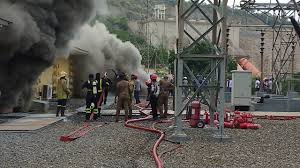
The Africa Centre for Energy Policy (ACEP) has raised concerns over what it describes as entrenched negligence within Ghana’s power sector following the recent fire incident involving critical infrastructure connected to the Akosombo Hydroelectric Dam.

Speaking on Joy FM’s Top Story, ACEP Executive Director Benjamin Boakye argued that the incident reflects broader systemic failures rather than isolated lapses, pointing to long-standing institutional weaknesses across the sector.
He emphasised that the power sector operates as an integrated system requiring both technical expertise and strong managerial discipline to function effectively. In this regard, he urged that reform efforts prioritise institutional strengthening over reactive measures focused solely on individual accountability or leadership changes.
According to Boakye, persistent shortcomings in oversight and operational discipline within key energy institutions have contributed to recurring disruptions. He noted that negligence in the sector extends beyond individual actors and underscores the need for a professional culture grounded in preparedness and accountability.
He further questioned how infrastructure responsible for transmitting substantial volumes of electricity could be compromised by fire, describing the incident as indicative of significant systemic gaps. He attributed such occurrences to insufficient preventive mechanisms and weak risk management practices.
Boakye stressed that engineers, managers, and technical personnel must be adequately trained to anticipate and mitigate operational risks, including fire hazards, through the implementation of robust safeguards.
The remarks add to growing scrutiny of Ghana’s energy sector, with stakeholders increasingly calling for comprehensive reforms to enhance reliability, safety, and long-term sustainability.


