


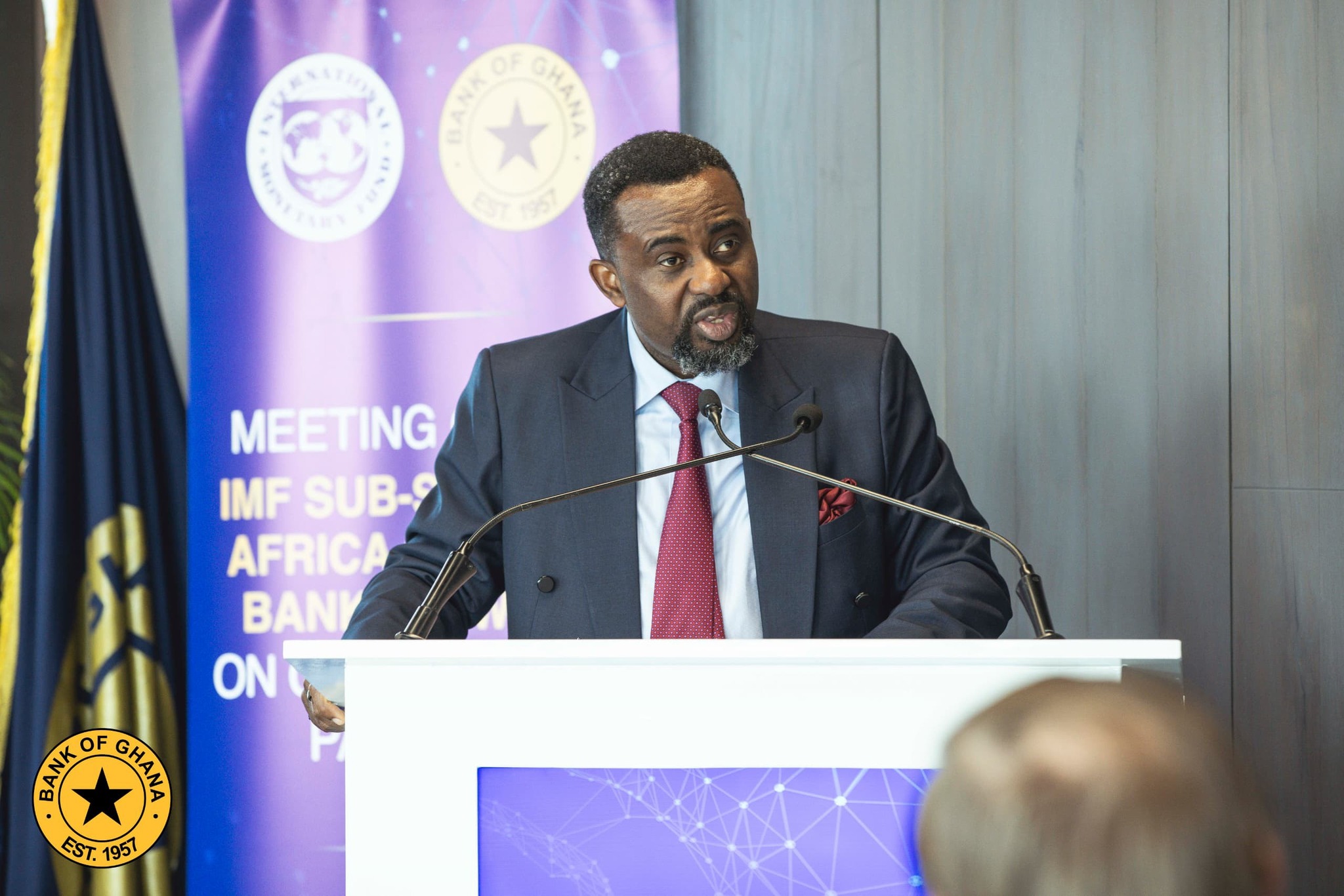
The Bank of Ghana (BoG) has directed commercial banks and other regulated financial institutions to reduce their non-performing loan (NPL) ratios to below 10 per cent by the end of 2026 as part of efforts to strengthen the country’s financial sector and boost credit to businesses.

BoG Governor Dr Johnson Pandit Asiama reaffirmed the directive during a high-level forum organised by the Chartered Institute of Restructuring and Insolvency Practitioners (CIRIP) Ghana in Accra.
The event, supported by the Central Bank, focused on the challenges of financing distressed companies and examined the impact of non-performing loans, IFRS 9 standards and prudential regulations on post-commencement financing under Ghana’s insolvency framework.
Dr Asiama said the banking sector had made notable progress in reducing bad loans, with the industry’s NPL ratio falling from over 23 per cent in 2025 to 16.1 per cent as of June 2026 following regulatory interventions.
Despite the improvement, he said the current figure remains above acceptable levels and emphasised that all regulated financial institutions are expected to meet the 10 per cent threshold by December 2026.
According to the Governor, institutions that fail to comply with the directive after the deadline will be required to notify the Bank of Ghana within 10 days and submit a board-approved strategy outlining how they intend to reduce their NPL ratios.
Dr Asiama explained that high levels of bad loans weaken banks’ ability to extend fresh credit, increase loan recovery costs and tie up capital that could otherwise support productive sectors of the economy, particularly small businesses and higher-risk borrowers.
He stressed that reducing NPLs is not only a regulatory requirement but also a key component of efforts to promote economic growth through increased lending.
Addressing the financing of distressed companies, Dr Asiama said Ghana’s Insolvency and Restructuring Act offers financially viable businesses an opportunity to recover instead of being liquidated.
He, however, cautioned financial institutions to carefully assess whether struggling businesses have realistic prospects of recovery before extending rescue financing.
The Governor urged banks to closely monitor funds advanced to distressed firms and ensure the financing is channelled into activities that support business recovery, including retaining employees, securing critical supplies and completing ongoing contracts.
He also called for a structured and transparent approach to post-commencement financing, emphasising that such facilities should be backed by clear milestones, appropriate security arrangements and regular reporting.
Dr Asiama further appealed for stronger collaboration among regulators, insolvency practitioners, bankers and accountants to establish a predictable and risk-sensitive framework that balances business rescue with financial stability.
He maintained that Ghana should pursue a disciplined restructuring regime capable of preserving viable enterprises without compromising the health of the financial system.
Meanwhile, Chairman of the event and Board Chair of Scancom PLC (MTN Ghana), Dr Ishmael Yamson, welcomed the decline in the banking sector’s non-performing loan ratio but expressed concern that some regulatory measures could discourage banks from supporting distressed businesses.
He argued that restrictions on dividends, bonuses and lending imposed on banks with elevated NPL ratios may inadvertently reduce their willingness to provide post-commencement financing.
Dr Yamson proposed excluding rescue financing from NPL ratio calculations and from loan growth restrictions scheduled to take effect in January 2027 during a defined restructuring period, arguing that banks supporting approved rescue plans should not be penalised.
He added that while insolvency financing is an important safety net, policymakers should prioritise measures that help businesses manage risks before they become financially distressed.
According to him, an effective regulatory framework should safeguard financial stability while enabling businesses with viable recovery plans to access the financing needed to preserve jobs, sustain operations and contribute to Ghana’s economic growth.


