


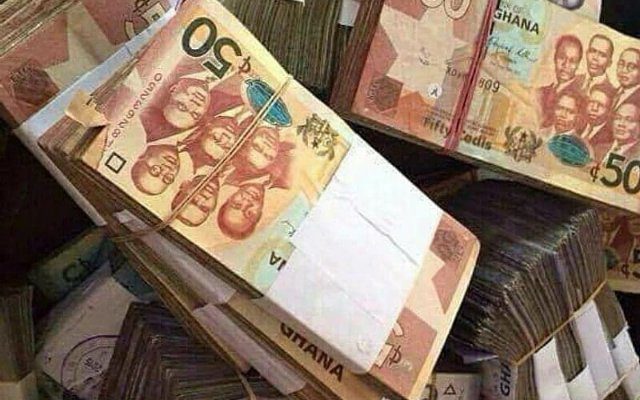
The Ghana cedi has continued to strengthen against the US dollar, significantly reducing its year-to-date depreciation to 4.09%, from 10.4% at the end of July 2026, according to market data monitored by Joy Business.

The recent appreciation has also improved the cedi’s performance on both monthly and weekly measures, signalling a notable turnaround in the currency’s fortunes after months of pressure.
Cedi sustains positive momentum
Market analysis shows that the cedi maintained its positive trajectory during the week of August 10 to 11, 2026, extending recent gains against the US dollar.
The latest developments have raised expectations that the currency’s improved performance could continue in the coming weeks, supported by conditions in the foreign exchange market and measures being implemented by the Bank of Ghana.
The cedi’s recent strength has been attributed partly to increased foreign exchange intermediation and market support from the central bank.
Inflows from Ghana’s extractive sector have also provided additional support, while increased offshore investor demand for local-currency government bonds has contributed to improved foreign exchange conditions.
Reduced dollar demand supports cedi
Market participants have also identified easing demand pressures for the US dollar as an important factor behind the cedi’s recent appreciation.
With demand for foreign currency moderating, pressure on the cedi has eased, allowing the local currency to recover some of the losses recorded earlier in the year.
Senior Finance Lecturer at the University of Ghana Business School, Dr Benjamin Amoah, told Joy Business that he expects the cedi’s positive performance to continue.
He attributed the outlook partly to the Bank of Ghana’s current Foreign Exchange Management Framework, which is aimed at improving the functioning and stability of the foreign exchange market.
Significant turnaround from first-half pressure
The latest figures represent a marked improvement from the pressure experienced by the cedi during the first half of 2026.
During that period, strong demand for US dollars contributed to significant depreciation of the local currency.
The recent combination of stronger foreign exchange inflows, central bank market interventions, investor demand for local bonds and reduced dollar demand has, however, helped reverse some of those losses.
If the current market conditions persist, the cedi could maintain its recovery in the weeks ahead, although developments in foreign exchange demand, capital flows and global dollar movements will remain important to the currency’s outlook.


