


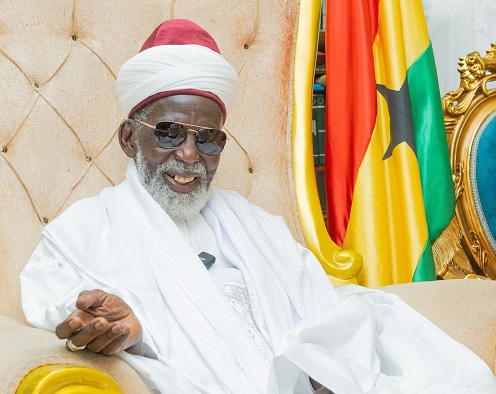
The Office of the National Chief Imam has called on Ghanaians to deepen their spiritual commitment while taking decisive action to protect the environment, as Muslims mark the end of Ramadan.

In a statement signed by Osmanu Seidu on behalf of Osman Nuhu Sharubutu, the Office extended warm Eid-ul-Fitr greetings to Muslims in Ghana and around the world, commending them for their devotion, discipline and sacrifices during the holy month.
The message described Ramadan as a period of spiritual growth and reflection, while offering prayers for the acceptance of fasting, charity and other acts of worship. It also invoked blessings, forgiveness and peace for the global Muslim community.
Marking Eid-ul-Fitr as both a celebration and a moment of renewed responsibility, the statement placed strong emphasis on environmental stewardship under the theme “Our Earth, Our Future.”
Drawing on teachings from the Qur’an, the Office stressed that the earth and its resources are a divine trust, entrusted to humanity for responsible management. It urged believers to embrace their role as stewards (Khalifah), tasked with preserving the balance and harmony of creation.
The statement warned against environmental degradation, attributing many of today’s ecological challenges to human actions. It specifically condemned illegal mining (galamsey), indiscriminate sand winning and deforestation, noting their harmful impact on ecosystems, water bodies and long-term sustainability.
It also cautioned against wastefulness and extravagance, highlighting Islam’s emphasis on moderation and responsible use of resources.
Calling for collective action, the Office encouraged all citizens to actively participate in environmental protection, describing it as both a civic duty and an expression of faith. Muslim leaders, scholars and community organisations were urged to intensify public education on conservation, with mosques and Islamic institutions expected to lead advocacy efforts.
The message further underscored that true faith is reflected not only in acts of worship but also in everyday conduct toward others and the environment, noting that meaningful societal change begins with individual responsibility.
Beyond environmental concerns, the statement also addressed ongoing global conflicts, offering prayers for peace and relief for those affected by unrest, particularly in the Middle East and other troubled regions.
It urged Muslims to uphold values of patience, unity, compassion and solidarity, especially in times of uncertainty.
Concluding the message, the Office extended Eid greetings once again and prayed for unity, peace and prosperity for Ghana and the global community.


