


The Christian Council of Ghana has opposed the proposed extension of the presidential term from four to five years, saying the existing tenure gives elected governments sufficient time to implement their programmes.

The Council argues that sustained development depends on successive governments continuing policies and projects initiated by their predecessors.
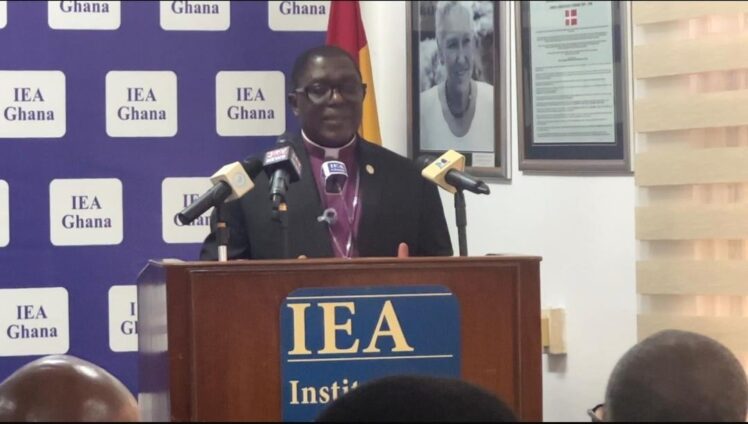
Speaking at the Institute of Economic Affairs’ weekly constitutional review seminar, President of the Africa Methodist Council, Rev. Paul Kwabena Boafo, said the Council was not convinced that a longer presidential term would improve governance.
“The church believes that good governance is not dependent on long-term electoral cycle. The real issue at stake is whether an elected government is willing to continue the implementation of previous government policies,” he said.
The proposed extension forms part of the ongoing constitutional review. The government has accepted the recommendation, arguing that an additional year would allow more time for policy formulation, implementation and assessment.
Rev. Boafo said the Council believes substantial development is achievable within four years if governments prioritise policy continuity. He added that the existing electoral cycle strengthens citizens’ ability to hold elected leaders accountable.
The Council also supports strengthening the National Development Planning Commission as an independent institution to coordinate, monitor and evaluate a binding national development plan. It believes this would help prevent the abandonment of projects when governments change.
On appointments, Rev. Boafo called for a substantial reduction in presidential powers, particularly over independent constitutional bodies.
He said the appointment framework should distinguish between executive offices and independent institutions, with greater participation by relevant stakeholders in selecting leaders for the latter.
The Council also welcomed proposals to strengthen constitutional protection against religious discrimination, while calling for safeguards for the identity and ethos of mission-founded schools.
“The Council welcomes the emphasis on constitutional protection against religious discrimination. However, the Council recommends that the constitutional framework should carefully preserve the legitimate identity and ethos of mission-founded institutions,” Rev. Boafo said.
He added that the framework should protect freedom of conscience and belief while recognising the distinctive character of those institutions.
The Council further endorsed the broader goal of moving Ghana towards a developmental democracy that connects constitutional governance with justice, quality public services, sustainable development, social inclusion and meaningful citizen participation.


