


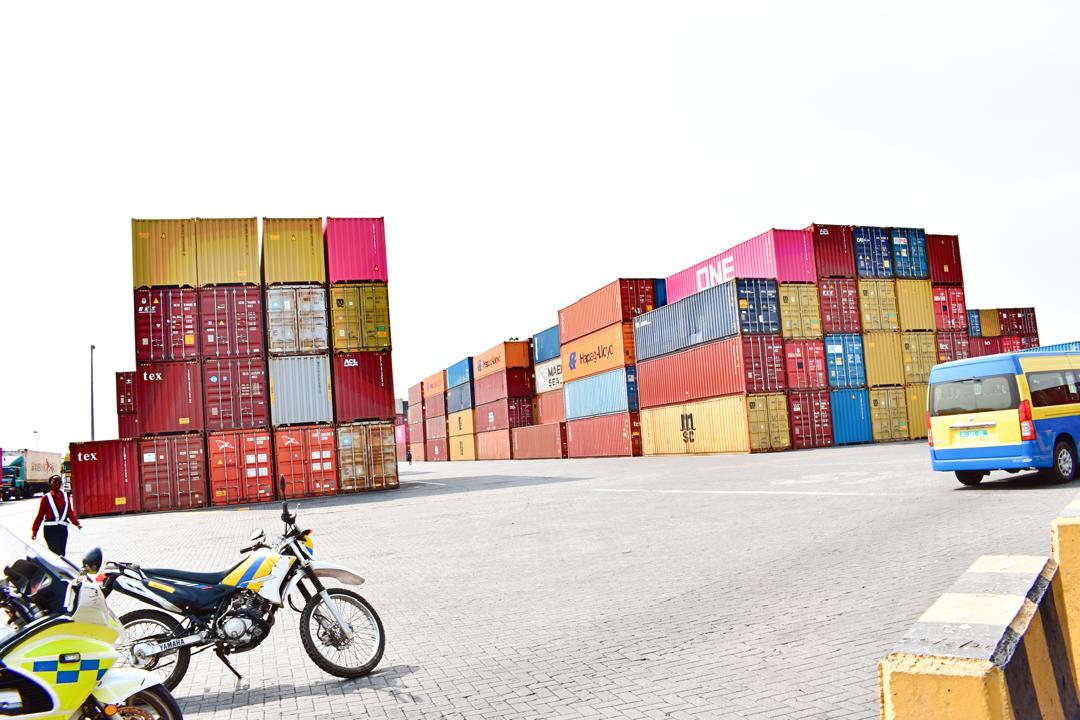
Civil Society Organisations (CSOs) have expressed deep concern over delays in clearing family planning commodities valued at $500,000 at Ghana’s ports, warning of an impending nationwide shortage.

The supplies, procured by the United Nations Population Fund and consigned to the Ministry of Health, have reportedly been held at the port since August 2024.
Speaking at a press conference in Accra, Ms Henrietta Kaakyire Ataah, Advocacy and Youth Coordinator at Marie Stopes Ghana, said the prolonged delay was already affecting stock levels at national and regional medical stores.
“These are not just supplies sitting idle; they are lifesaving commodities,” she stressed, noting that the shipment includes pills, implants, injectables, condoms, intrauterine devices (IUDs), and essential instruments for administering them.
The CSOs highlighted the critical role of family planning services in Ghana’s healthcare system, linking access to contraceptives with improved maternal health outcomes, economic development, and the protection of human rights. They cited evidence suggesting that modern contraceptive use could prevent up to 70 per cent of maternal deaths and reduce under-five mortality by 58 per cent.
Ms Ataah further noted that abortion-related complications account for 20.8 per cent of pregnancy-related deaths in Ghana, cautioning that shortages could lead to a rise in unintended pregnancies and unsafe abortions.
“Every week of delay strengthens a predictable chain of consequences—stock-outs, unintended pregnancies, unsafe abortions, and preventable maternal deaths,” she warned.
While acknowledging that some consignments worth over $1.6 million had been released after earlier engagements, the CSOs said three shipments remain uncleared. They also raised concerns about reduced donor funding following the withdrawal of USAID support in 2025, underscoring the need for stronger domestic financing and systems.
Although they welcomed directives from the President to the Ministries of Health and Finance to address the issue, the CSOs called for urgent and transparent action. Their demands include the immediate clearance of the remaining commodities, a public statement from the Ministry of Health, and the development of a contingency plan to avert stock-outs.
They also urged a review of administrative classifications affecting health imports and increased domestic investment in family planning.
“We refuse to be silent when a bureaucratic failure places women’s lives at risk,” the CSOs declared, adding that they would continue to monitor the situation and publicly report on the government’s response.
The group further appealed to the media and the public to treat the issue as one of national importance, stressing that the matter goes beyond delayed goods at the port to the broader health, dignity, and future of Ghanaian women.


