


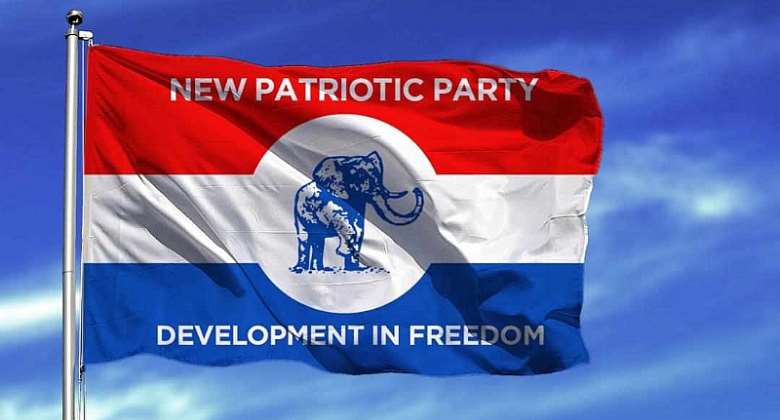
The New Patriotic Party’s (NPP) decision to begin organising for the 2028 general elections barely two years after leaving office is a deliberate and strategic move aimed at rebuilding the party early, according to Communications Committee Chairman Nana Akomea.

Speaking on PM Express with Evans Mensah on Tuesday, the former Okaikwei South MP said the party believes it cannot afford to delay preparations ahead of the next election cycle.
“Yes, the party has put into place various committees, and you wonder if it’s too early,” he stated.
Mr Akomea noted that similar concerns were raised when the NPP decided to elect its flagbearer three years before the national elections.
“The same sentiments came up. It’s too early. Let’s wait a while,” he recalled.
However, he explained that the party concluded it needed ample time to reorganise and focus effectively ahead of 2028.
“The focus that we need will be better served by having a flag bearer in place early enough and not waiting for two years before the general election,” he said.
According to him, another motivation behind the early preparations was to reduce tensions and divisions that often accompany internal contests within political parties.
“It usually comes with all kinds of acrimony, so get that out of the way, and let some peace and quiet come from that,” he added.
Mr Akomea stated that electing a flagbearer early would also allow the party to concentrate on developing a clear campaign strategy and policy direction.
“Having had the flag bearer three years before the election, you need to put in place the material that will guide the campaign,” he explained.
He stressed that the party wanted to avoid a situation where its eventual presidential candidate would campaign based on “ad hoc sentiment to sentiments,” insisting instead on a campaign built around “agreed sets of policies.”
Mr Akomea further disclosed that the NPP has established two categories of committees as part of its reorganisation process.
The first category, he explained, consists of standing committees tasked with advising the party’s National Council.
“So my committee, for example, is a standing committee,” he said. “We would advise the National Council that it will hold us accountable for the nature of communications in the party.”
He clarified that national officers to be elected later this year would be responsible for day-to-day operations but would remain accountable to the standing committees.
“There’s going to be an election for a communications director later in the year,” he said, adding that the eventual director “would answer to the communications committee.”
According to him, the same structure would apply to other key areas of the party, including organisation, research, and finance.
“So these are committees of the National Council,” Mr Akomea stressed.
“The National Council, for example, will not call the communications director directly. They will call the chairman of the communications committee.”


