


The Greater Accra Resilient and Integrated Development (GARID) Project has disclosed that approximately US$150 million of its World Bank-funded programme has so far been committed, as concerns persist over the pace of flood-control interventions across Accra.

Speaking on Joy FM’s Super Morning Show, GARID Project Coordinator, Dr. Ohene Sarfoh, said the amount covers both infrastructure contracts and consultancy services implemented across the 17 Metropolitan, Municipal and District Assemblies (MMDAs) within the Greater Accra Region.
“What we have spent on consultations and all of that, all together, I think we have done about [the equivalent of] US$150 million,” he said.
Dr. Sarfoh explained that the project’s original financing package stood at US$285 million, but US$65 million was reallocated to support Ghana’s COVID-19 response, reducing the funds initially available for drainage and flood-control works.
He added that the World Bank approved an additional US$150 million in 2023 to expand the project’s scope and extend its implementation period from 2025 to 2027.
According to Dr. Sarfoh, the project is financed through phased disbursements rather than a single lump-sum payment, with funds released progressively under financing arrangements agreed between the Ministry of Finance and the World Bank.
He further disclosed that GARID has received commitment authorisation to proceed with pending contracts, including critical works delayed by structural bottlenecks such as bridges that restrict the free flow of stormwater.
The update comes amid growing public scrutiny over the utilisation of project funds.
A World Bank implementation support mission conducted in September 2024 reported that US$127.1 million had been disbursed, representing 36.3 per cent of total project financing. The report noted that contractor payments were lagging behind the physical progress of works, contributing to slower-than-expected disbursement.
The mission also rated progress toward the project’s flood risk management objectives as “Moderately Satisfactory,” while highlighting delays in completing designs for major infrastructure projects, including detention ponds valued at US$44.4 million.
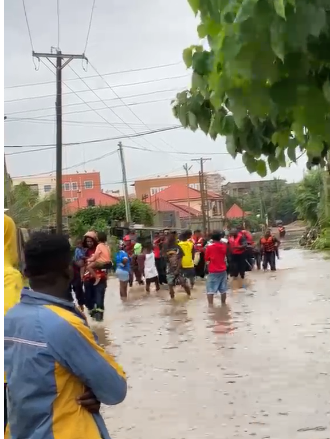
The financial update follows the torrential rains of June 29, which left large sections of Accra submerged and resulted in at least three deaths in the Alajo area through electrocution incidents linked to floodwaters.
President John Dramani Mahama said preliminary assessments showed that approximately 140 millimetres of rainfall fell over Accra during the storm, significantly exceeding previous peak daily rainfall levels recorded in the capital.
The flooding affected several major roads and communities, including the N1 Highway, Spintex, Kaneshie, Achimota and sections of the Kwame Nkrumah Interchange, disrupting transportation, businesses and public services.
GARID remains Ghana’s flagship World Bank-funded urban resilience programme, supporting flood risk management, drainage infrastructure, solid waste management and community upgrading projects across the Odaw River Basin.


