


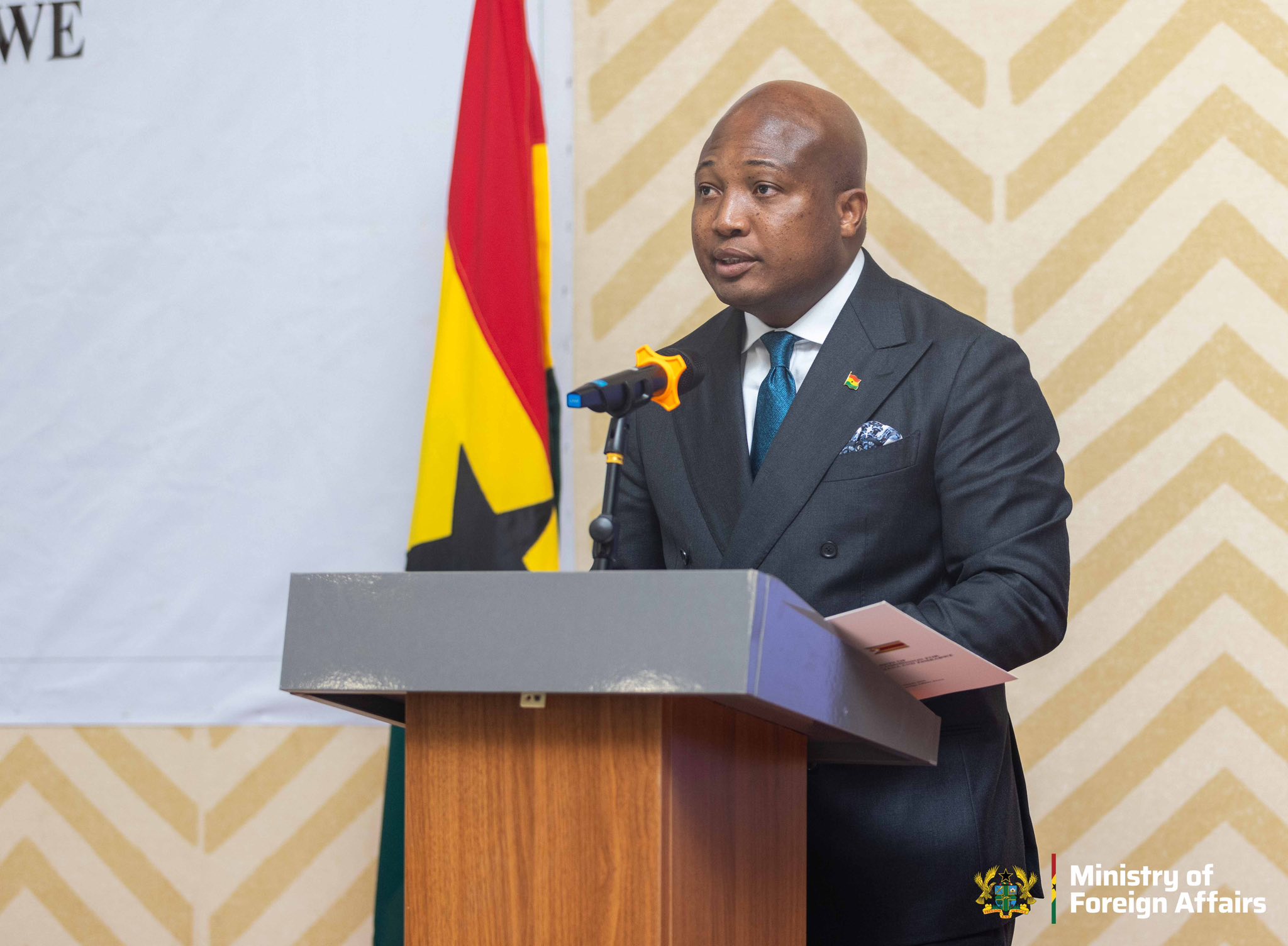
Ghana has completed the evacuation of citizens affected by recent xenophobic attacks in South Africa, with approximately 1,900 Ghanaians brought back home, Foreign Affairs Minister Samuel Okudzeto Ablakwa has announced.

The Minister said the final batch of returnees arrived in Ghana on Friday, September 4, bringing the second phase of the evacuation exercise to a close. The phase was aimed at assisting about 1,000 Ghanaians who had voluntarily registered to return home.
According to Mr Ablakwa, the government has provided returning citizens with financial support for reintegration, transportation allowances, medical care, psychosocial assistance, free health insurance registration and employment support.
The latest operation followed an earlier evacuation conducted in May and June, which brought 979 Ghanaians home in three batches.
The evacuation was initiated following renewed reports of anti-foreigner violence in parts of South Africa, particularly Durban and other commercial centres. Several African migrants, including Ghanaians, reportedly faced harassment, intimidation, attacks, looting and destruction of property.
Ghana subsequently advised its citizens to avoid non-essential travel to affected areas while engaging South African authorities and the African Union over the situation.
Mr Ablakwa said the evacuation demonstrated the government’s commitment to protecting Ghanaians facing threats to their safety abroad.
“Our message is clear: we value the lives of Ghanaians everywhere in the world, and no Ghanaian will be abandoned in harm’s way,” he said.
He expressed appreciation to President John Dramani Mahama and local partners who supported the humanitarian operation.
The Minister also acknowledged the deaths of four Ghanaians during the unrest and extended condolences to their families.
Mr Ablakwa said the Foreign Affairs Ministry would present a comprehensive report on the evacuation exercise to the public next week, including an account of the resources and support provided.
With the evacuation now concluded, attention is expected to shift to the reintegration of the returnees, particularly through continued access to healthcare, psychosocial services, financial assistance and employment opportunities.


