


Ghana is taking its campaign for reparatory justice to the global stage, with a landmark draft resolution before the United Nations General Assembly calling for the transatlantic slave trade to be declared the gravest crime against humanity.

The proposal, formally introduced under the leadership of President John Dramani Mahama, is scheduled for debate on March 25, 2026, marking the International Day of Remembrance for the Victims of the Transatlantic Trafficking of Africans. It seeks not symbolic recognition, but concrete action, including reparations, formal apologies and the return of looted cultural artefacts.
Ghana argues that the legacy of slavery is not confined to history books. Its effects, officials say, continue to shape inequalities across continents. By placing the issue before the United Nations, the country is demanding accountability from the international community.
The case carries particular weight coming from Ghana, whose coastline holds some of the most notorious slave forts and castles in the world. Sites such as Elmina and Cape Coast once served as holding grounds where millions of Africans were imprisoned before being shipped across the Atlantic. For Ghana, these structures are not relics of the past but enduring evidence of a system that dehumanised generations.
Officials behind the resolution stress that the transatlantic slave trade was not a series of isolated acts, but a coordinated and legally sanctioned system involving states, institutions and commercial networks. They argue that this makes the case for reparations not a matter of charity, but of legal obligation under international law.
The draft draws on established legal frameworks, including conventions that define slavery as a crime against humanity. It also invokes the principle that certain violations are so grave they carry ongoing responsibility until they are addressed. In this context, Ghana insists there is no statute of limitations on justice.
The push is backed by growing international support. The African Union has already classified slavery, deportation and colonisation as crimes against humanity and genocide, while Caribbean nations have joined calls for reparations. The resolution also reflects wider cooperation between Africa and the Caribbean, signalling a broader global coalition.
If adopted, the proposal would call on countries to engage in good faith discussions on reparatory measures. These include compensation, rehabilitation initiatives, educational programmes and guarantees to prevent similar atrocities in the future. It also urges the return of cultural and historical artefacts taken during the era of slavery and colonialism.
Ghana maintains that the timing is critical. The year 2026 marks a century since the first international treaty aimed at suppressing the slave trade. While progress has been made in abolishing slavery and advancing human rights, officials say justice for its victims remains incomplete.
There are concerns among some nations about the scale and implications of reparations. However, Ghana rejects calls for delay, arguing that centuries of inaction cannot justify further postponement. For many advocates, the debate is long overdue.
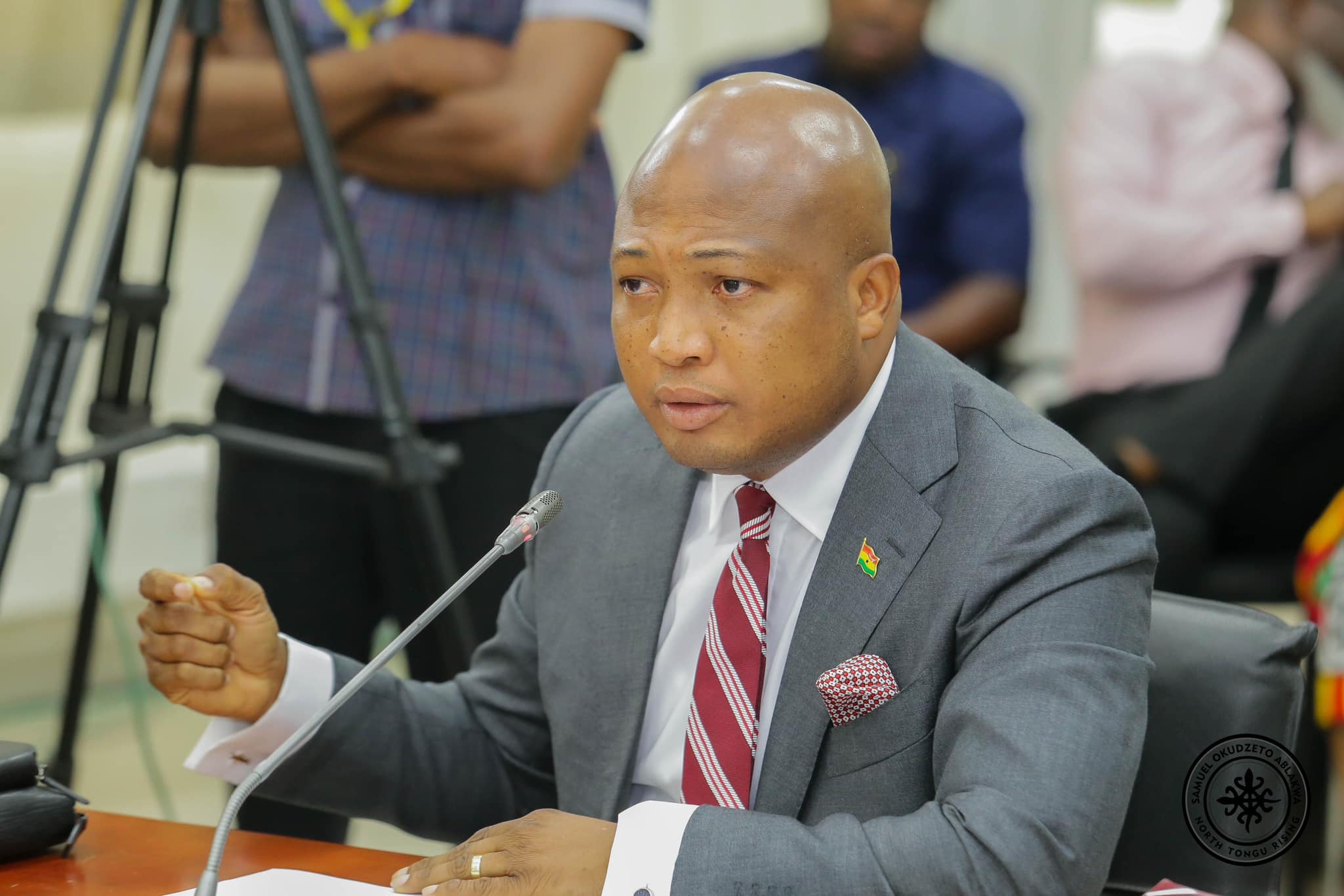
Ghana’s Foreign Affairs Minister, Samuel Okudzeto Ablakwa, has framed the resolution as a test of global conscience. He says the issue goes beyond race or geography and speaks to the credibility of the international system itself.
As the United Nations prepares for debate, the outcome could mark a turning point in how the world addresses one of history’s most devastating injustices. For Ghana and its allies, the goal is clear: to move from remembrance to responsibility, and from acknowledgement to action.
Metrotvonline


