


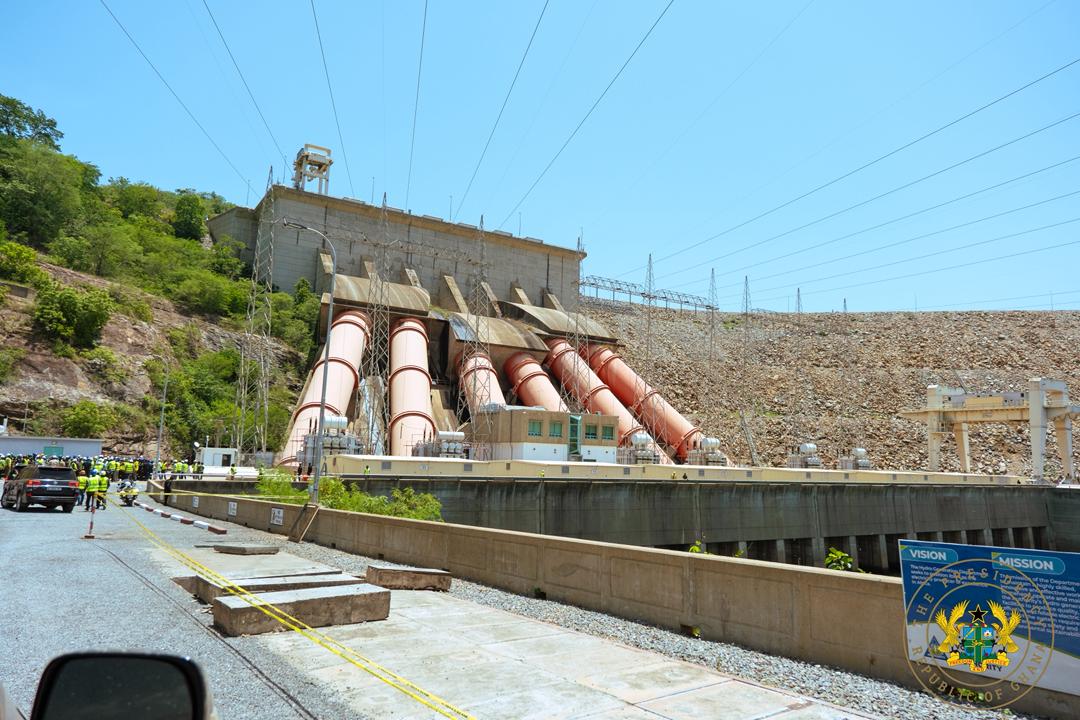
The Ghana Meteorological Agency (GMet) has warned that persistent El Niño conditions could reduce water inflows into the Volta River, potentially affecting hydroelectric power generation at the Akosombo Dam.

The agency says below-normal rainfall expected across parts of West Africa could place additional pressure on shared water resources, with possible implications for Ghana’s water supply and energy production.
Deputy Director of Research and Applied Meteorology at GMet, Francisca Martey, explained that the climate phenomenon was influencing rainfall patterns, resulting in prolonged dry spells and warmer temperatures in parts of the country.
Speaking on Joy FM’s Super Morning Show on Monday, November 2, while discussing the phenomenon, Mrs Martey said neighbouring countries were also expected to experience below-normal rainfall.
“It means that those people in our other countries also get below-normal rainfall, which affects our water resources,” she said.
Responding to concerns that reduced rainfall could lower inflows into the Akosombo Dam and affect electricity generation, she acknowledged the potential impact of the phenomenon on Ghana’s water and energy resources.
Prolonged dry spells expected
The warning comes as GMet projects above-normal temperatures and below-normal rainfall across much of the country in the coming months.
Mrs Martey said the agency had already forecast extended dry spells and reduced rainfall during the September-October-November (SON) period.
“We’re going to have long dry spells. We’re going to have below-normal rainfall,” she stated.
She added that the conditions were expected to continue into the December-January-February (DJF) period, when the Harmattan season would bring drier air and warmer temperatures.
“We expect that December, January, and February will be warmer,” she said.
According to her, northern Ghana could experience more severe effects because of its vulnerability to rainfall deficits and its importance to the country’s agricultural production.
“Although the El Niño affects the whole country, its impact is higher on the northern areas,” she noted.
Farmers warned of possible agricultural impact
Mrs Martey cautioned that prolonged dry conditions could affect agricultural activities, particularly among farmers who depend on stored rainwater to sustain their crops.
She warned that water conserved by farmers for irrigation and other agricultural purposes could dry up under the anticipated conditions.
“The little rainwater that they have kept or saved would also dry up,” she said.
To minimise the impact, she urged farmers to adopt climate-smart agricultural practices, including mulching, to conserve soil moisture and protect crops during extended dry spells.
She also disclosed that GMet was engaging stakeholders in agriculture, health and water resources management, alongside the general public, to strengthen preparedness for the anticipated weather conditions.
Mrs Martey further advised Ghanaians to stay hydrated and take precautionary measures against dusty conditions expected during the Harmattan season.
The agency’s warning highlights the potential risks of prolonged dry conditions to Ghana’s agricultural sector, water resources and hydroelectric power generation.


