


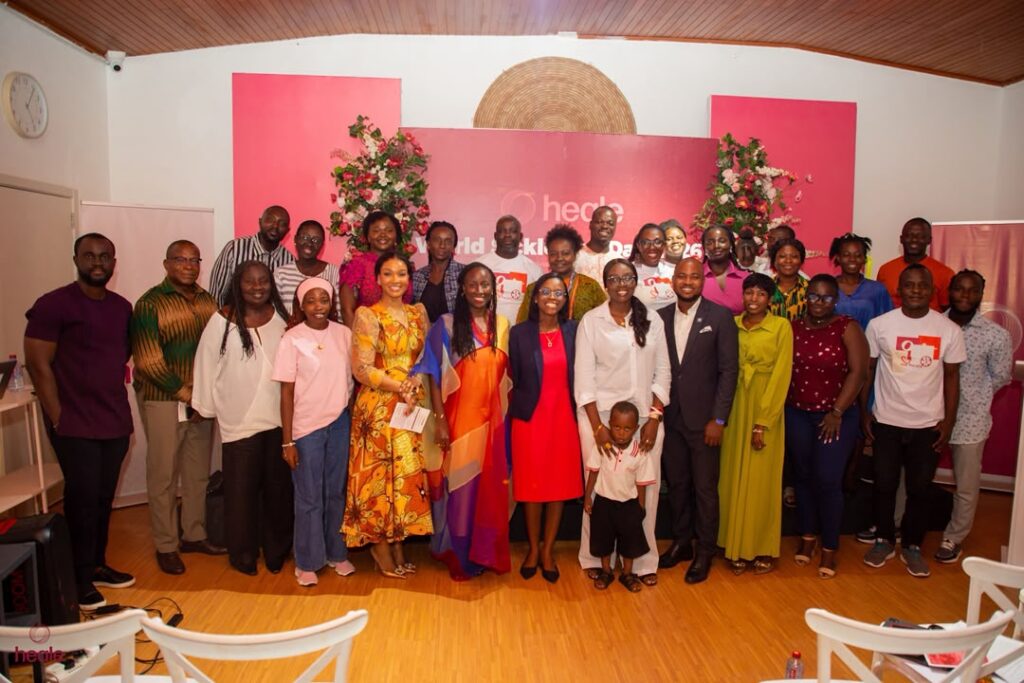
Health experts have expressed concern over the high mortality rate among children born with sickle cell disease in Ghana, warning that many affected children could die before the age of five without early diagnosis and access to comprehensive healthcare.

Speaking during activities marking World Sickle Cell Day, Dr Enam Sefakor Bankas, Co-founder of Heale, revealed that approximately 15,000 babies are born with sickle cell disease in Ghana each year, representing about two per cent of all annual births.
She cautioned that delayed diagnosis and inadequate medical care continue to pose a major threat to the survival of affected children.
“If they are not diagnosed early, we risk losing 80 to 90 per cent of them before age five,” Dr Bankas stated.
Describing the statistics as deeply troubling, she noted that although public awareness of sickle cell disease has improved over the years, the emotional and psychological burden associated with the condition remains largely neglected.
“Most people focus on the physical aspects, the pain and the admissions, but there is a huge emotional and psychological toll,” she said.

According to Dr Bankas, many individuals living with sickle cell disease, as well as their caregivers, continue to experience stigma, discrimination, anxiety and social isolation, all of which negatively affect their overall well-being and quality of life.
She therefore called for mental health support to be integrated into routine sickle cell management, stressing that emotional wellness should be treated as an essential component of patient care rather than an afterthought.
“Mental health, wellness and self-care are not luxuries. They are essential components of living well with sickle cell disease,” she emphasised.
Dr Bankas also advocated the establishment of a coordinated national sickle cell programme aimed at improving access to quality healthcare services for patients across the country.
“We need comprehensive care. We need to make sure that wherever you are in Ghana, patients can access the quality care they need,” she said.
This year’s World Sickle Cell Day activities organised by Heale were held under the theme, “Think Heale: Mental Health, Wellness and Self-Care in Sickle Cell Disease,” highlighting the need for greater attention to both the physical and psychological needs of individuals living with the condition.
Advocates and healthcare professionals at the event stressed that meaningful progress in the management of sickle cell disease will require a more holistic approach that goes beyond medical treatment to address mental health, emotional resilience and family support systems.
They argued that strengthening early diagnosis programmes, expanding access to specialised care and integrating psychosocial support services into routine treatment could significantly improve outcomes and quality of life for thousands of patients nationwide.


