


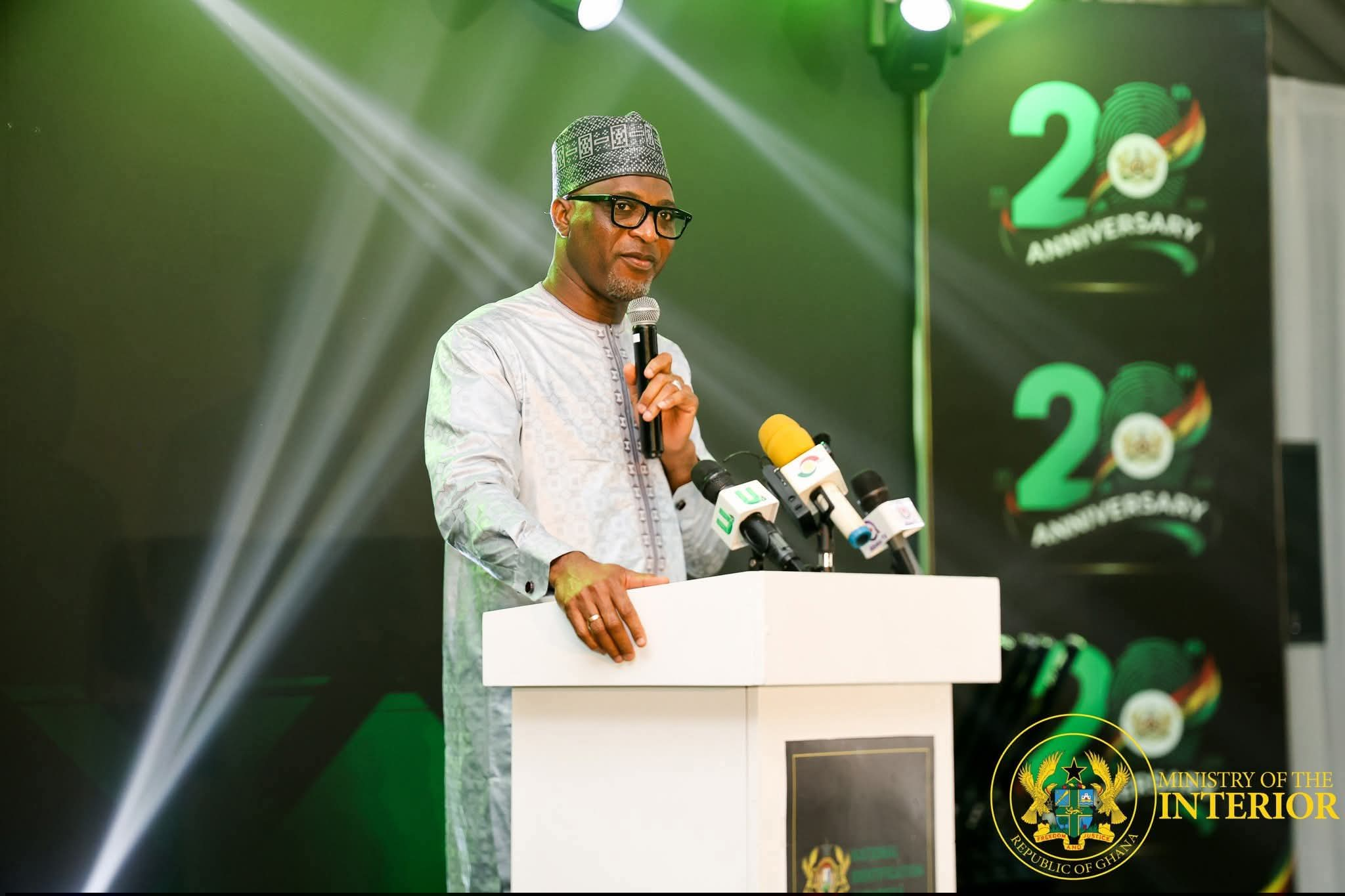
The Minister for the Interior, Muntaka Mohammed-Mubarak, has expressed concern over the security challenges posed by Ghana’s porous borders, particularly along the Ghana-Togo frontier in the Volta Region, and has called for stronger collaboration among security agencies to tackle illegal migration and cross-border smuggling.

Speaking during a two-day working visit to the Volta Region, where he toured sections of the Ghana-Togo border at Aflao, the minister said the growing influx of undocumented migrants from across the continent presents significant security concerns, as some illegal entrants may be involved in criminal activities and other unlawful acts.
Mr Muntaka noted that the Volta Region is reported to have about 102 unapproved routes along Ghana’s southeastern border with Togo, describing the situation as a major challenge for border security operations.
According to him, the numerous unofficial crossing points have made the Ghana-Togo border particularly vulnerable to illegal migration and smuggling activities.
The minister assured residents and security personnel that measures would be introduced to strengthen border surveillance and improve monitoring systems, including enhancements to lighting infrastructure at key checkpoints.
Recalling concerns raised by immigration officers during the visit, he noted that power outages often affect border monitoring systems, creating opportunities for individuals to cross without proper checks.
“I know, as part of the programme, the Immigration Commander was telling me that sometimes when the lights go off, the systems fail, and you cannot monitor movements until power is restored. This is a serious concern,” he said.
Mr Muntaka added that the government may work with the Ministry of Energy to provide alternative power solutions, including solar energy systems, to ensure uninterrupted operation of border surveillance infrastructure.
“We may have to work with the Ministry of Energy to provide solar power to protect the system. It is something that needs urgent attention to avoid situations where people cross the border without being screened,” he stated.
The Interior Minister also urged security agencies operating at the border to continue strengthening cooperation and intelligence-sharing efforts to improve border management and national security.
“I can see Immigration, Customs and the other agencies working together. I urge you to continue collaborating because it is through this cooperation that we can effectively safeguard our borders and ensure proper monitoring of those entering and leaving the country,” he said.
The Aflao Sector Commander of the Ghana Immigration Service, Deputy Commissioner of Immigration Mark Asamoah Boakey, acknowledged the challenges posed by the numerous unapproved routes but assured the minister that officers remain committed to protecting the country’s borders despite logistical constraints.
He explained that personnel have been deployed to monitor several unofficial crossing points, although limited resources make it difficult to cover every route effectively.
“If a path is created, we deploy our officers there. That is why you find our men stationed at many of the unapproved routes. However, it is not possible to cover every location completely,” he said.
Mr Boakey added that the service has strengthened intelligence operations to monitor illegal crossings, particularly at night, and continues to maximise available resources to secure the border.
During his visit, the Interior Minister also met with security personnel and assured them that government was working to improve their conditions of service and address operational challenges facing the various security agencies.


