


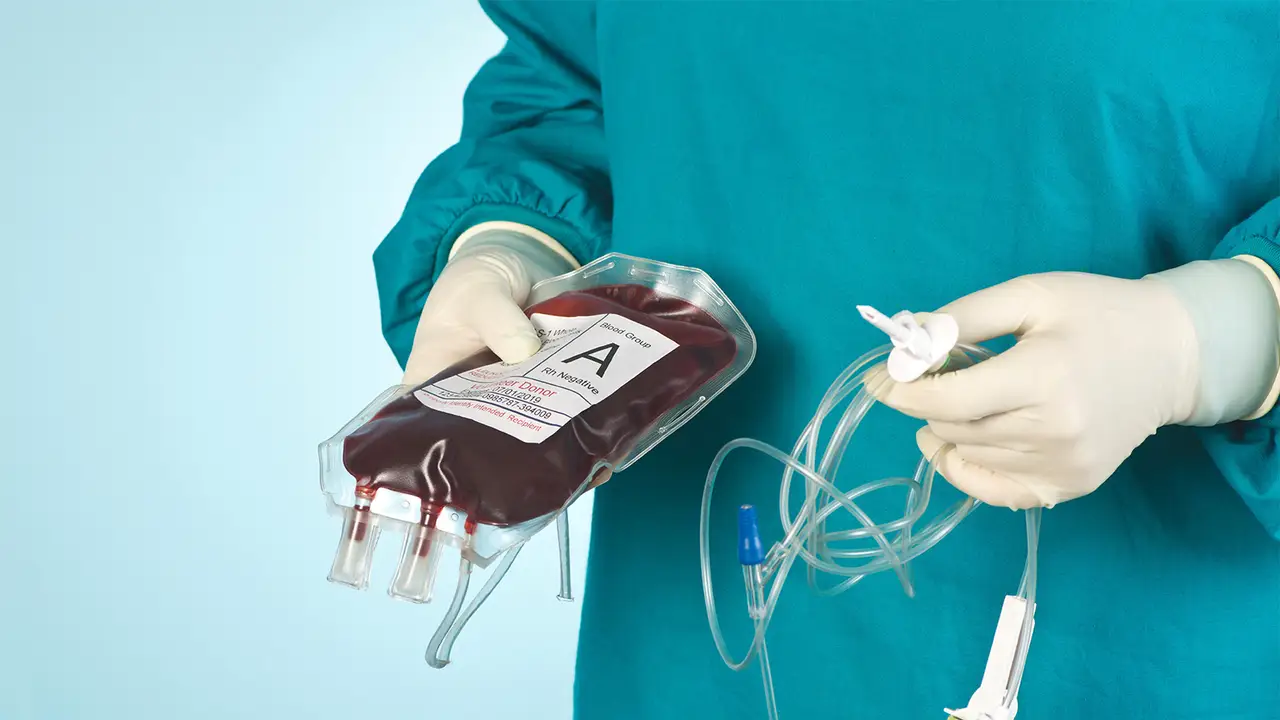
Jehovah’s Witnesses has updated its long-standing policy on blood transfusions, now permitting members to have their own blood removed, stored, and later reinfused during medical procedures.

The change means adherents may undergo procedures such as planned surgeries using their own blood, while the group’s prohibition on receiving donated blood from others remains in place.
Announcing the update, Gerrit Lösch, a member of the group’s leadership, emphasised individual decision-making within the framework of the faith.
“Each Christian must decide for himself how his blood will be used in medical and surgical care,” he said.
Jehovah’s Witnesses, a Christian-based religious movement known for its door-to-door evangelism, has approximately nine million members worldwide, including around 144,000 in the United Kingdom.
The organisation has historically prohibited blood transfusions, citing biblical teachings from both the Old and New Testaments that instruct believers to abstain from blood. A spokesperson reaffirmed that this core doctrine remains unchanged despite the policy adjustment.
“Our core belief regarding the sanctity of blood remains unchanged,” the spokesperson said.
However, the revision has drawn criticism from some former members who argue that it does not go far enough in allowing full medical autonomy.
One critic, Mitch Melon, told the Los Angeles Times that the policy still restricts members in emergency situations, particularly in cases involving severe blood loss or life-threatening conditions requiring donor transfusions.
The debate comes amid broader legal and ethical discussions surrounding medical consent and religious beliefs. In one recent case, an Edinburgh court ruled that doctors could administer a blood transfusion to a 14-year-old Jehovah’s Witness if necessary to save her life, despite her refusal on religious grounds.
Presiding judge Lady Tait concluded that the decision was in the child’s best interests, while also giving appropriate consideration to her views.
The policy update reflects a nuanced shift within the faith, balancing doctrinal adherence with limited flexibility in medical practice.


