


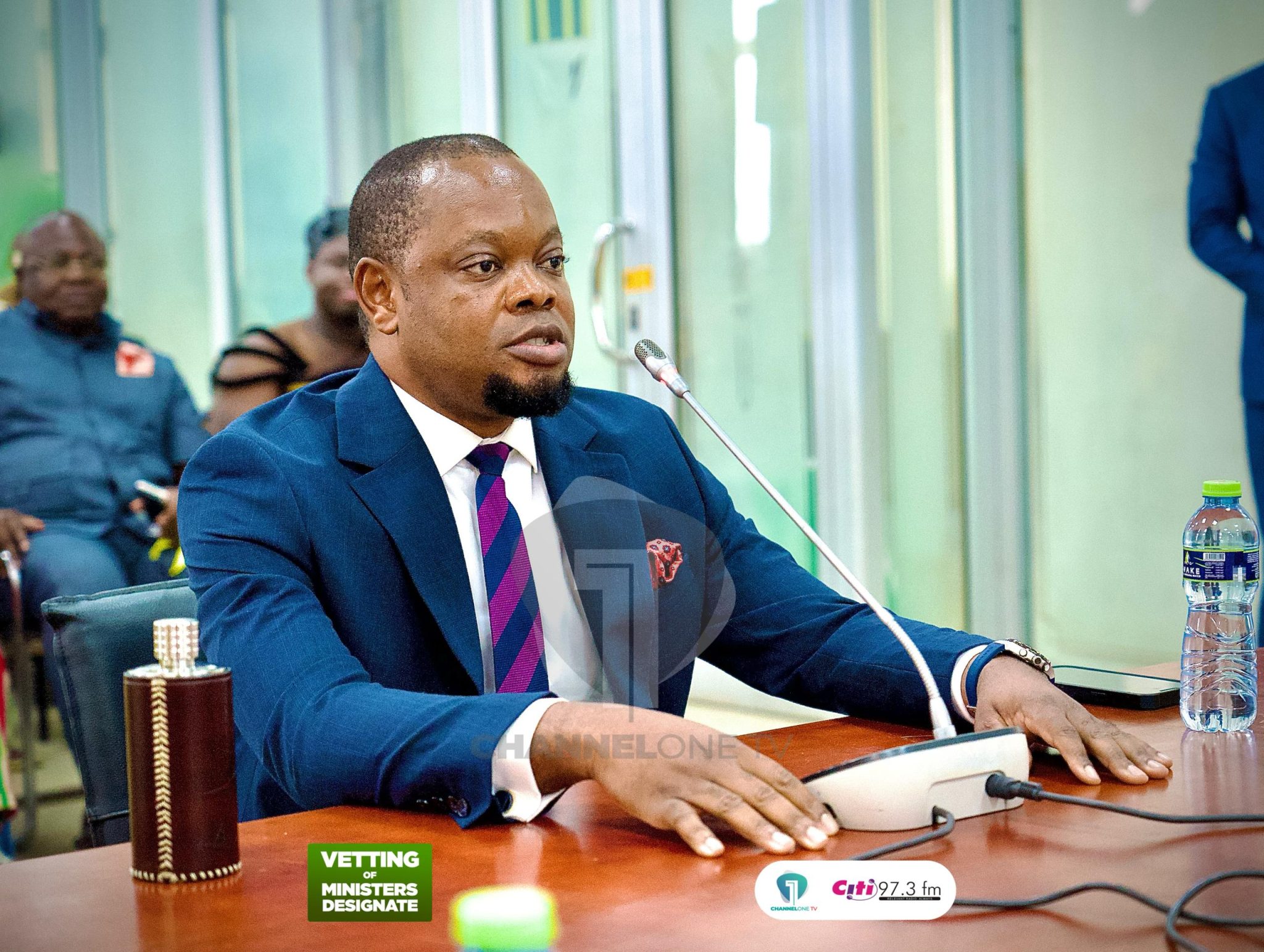
The Deputy Attorney-General and Minister for Justice, Dr Justice Srem-Sai, has clarified that Ghana’s legal vacation should not be treated as a period during which lawyers can independently determine whether court proceedings should continue.

He said the legal vacation, which runs from August 1 to September 30, is intended to significantly reduce the workload of the superior courts rather than bring judicial activities to a complete halt.
According to Dr Srem-Sai, the courts continue to operate during the period, although judicial activity is substantially reduced.
His comments follow concerns raised by the Ghana Bar Association (GBA) in a letter to Chief Justice Paul Baffoe-Bonnie over the conduct of proceedings during the legal vacation.
The GBA has particularly objected to situations where lawyers are directed to appear in court after notifying the court that they would be unavailable during the vacation.
The association has argued that Vacation Courts were traditionally established to deal with urgent and interlocutory matters and did not ordinarily conduct trials. It has also maintained that where counsel has indicated an inability to attend, proceedings should be adjourned rather than continue in their absence.
Dr Srem-Sai, however, said the legal vacation should not be understood as a “lawyers’ vacation.”
He explained that the Chief Justice determines which judges sit during the period through warrants authorising them to perform judicial functions.
“The key point here, however, is that the courts scale down on work significantly – they do not shut down,” he said.
Dr Srem-Sai further explained that the scope of proceedings a Vacation Judge may hear depends on whether the case originated from that judge’s court.
A Vacation Judge may hear both interlocutory and substantive matters in cases originally assigned to that judge. However, where a case originated from another judge’s court, the Vacation Judge may generally be limited to dealing with interlocutory matters.
He said the distinction was necessary because the judge originally responsible for a substantive case remains the judicial officer with authority to ultimately determine it.
According to the Deputy Attorney-General, the existing arrangement is intended to maintain continuity in the administration of justice while allowing judges to take their vacation periods at appropriate times.
He therefore maintained that the legal vacation represents a reduction in judicial activity rather than a suspension of court operations.


