


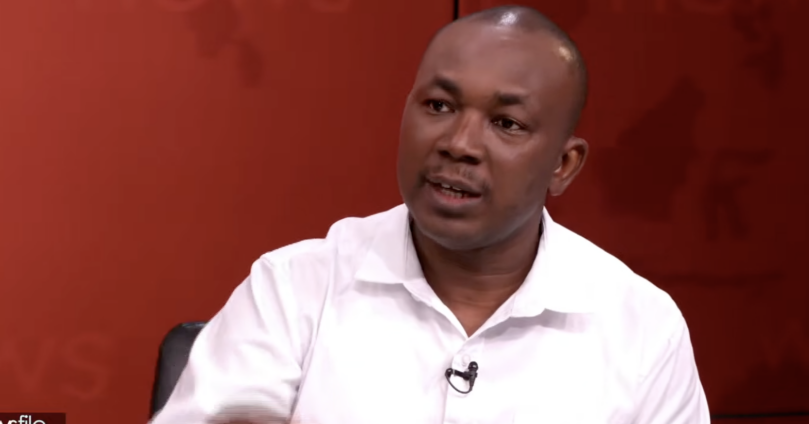
Economist and Professor of Finance Godfred Bokpin has said Ghana has struggled to achieve sustained economic development since 1992, with successive governments repeatedly returning to measures aimed at restoring macroeconomic stability.

According to Prof. Bokpin, the country has spent more than three decades moving between periods of economic instability and difficult recovery efforts, with the cost of restoring stability becoming increasingly burdensome.
He said successive attempts to stabilise the economy had often been followed by renewed fiscal and economic difficulties, creating a cycle that has limited Ghana’s ability to achieve sustainable development.
“People of Ghana, since 1992, this economy has not moved beyond macroeconomic stability. We have been struggling with instability, and we go through a painful process to restore macroeconomic stability, only for us to undo that again,” he said.
Prof. Bokpin said the financial cost of correcting economic mismanagement had reached levels that Ghana’s tax base could no longer comfortably support.
“The cost of correcting economic destruction is becoming enormous and unbearable for us and beyond what our tax potential can handle,” he stated.
He explained that the situation had compelled Ghana to look beyond traditional approaches to fiscal consolidation, which typically focus on controlling expenditure and increasing revenue.
He noted that while such measures remained important, they were no longer sufficient to address the country’s broader economic challenges.
“That tells us why, quite recently, we have had to go beyond the traditional fiscal consolidation based on expenditure restraint and revenue enhancement as a way of restoring macroeconomic stability,” he said.
Prof. Bokpin stressed that Ghana had reached a point where restoring macroeconomic stability alone could no longer provide a sufficient basis for long-term economic progress.
“But, colleagues, Ghana has reached a stage where fiscal consolidation alone is no longer enough to restore macroeconomic stability,” he added.
He called for a shift from policies focused primarily on recovering from economic crises to strategies capable of breaking the recurring cycle of instability and creating the conditions for sustainable economic development.
Prof. Bokpin made the remarks on Tuesday, August 11, at a public lecture organised by the Office of the Head of the Civil Service.
He was speaking on the theme, “The Resetting Agenda for Sustainable Development in Ghana: The Civil Service’s Responsibilities.”


