


Asks Kwasi Amoako Ogyampa

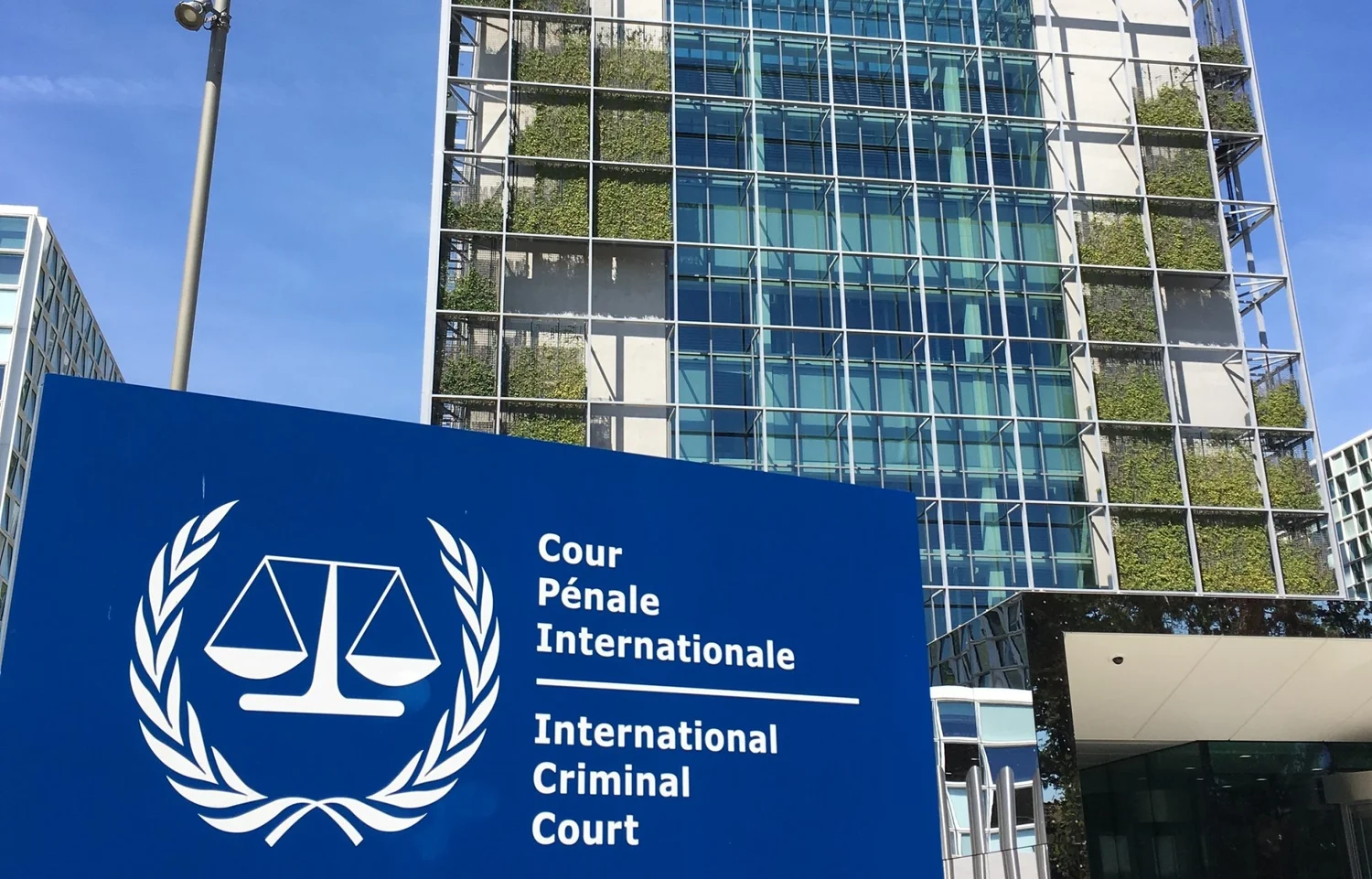
US sanctions against the International Criminal Court (ICC) are putting Japan and Europe in a difficult position: how can close US allies defend international institutions without undermining their own security ties? When the US sanctioned International Criminal Court (ICC) President, Tomoko Akane, and a senior trial lawyer on 18 August, the move landed directly on one of Washington’s closest allies. Akane is a Japanese; Japan has been an ICC member since 2007 and remains one of the court’s largest financial supporters. Tokyo called the sanctions “very unfortunate.”
Days later, Akane urged Japan to use its influence with Washington to help protect the court and discourage further withdrawals. Former Defence, Minister Gen Nakatani, has since pressed Prime Minister Sanae Takaichi to take a firmer line. The dispute has turned Japan into a test case for a wider middle-power problem: how to preserve close security ties with a great power while defending institutions that give smaller states room to act.
On 21 September, it was reported that sanctions could soon be imposed on the entire ICC, which has about 900 employees from 100 countries. The court could lose access to much of the dollar-based financial system, while its staff could face US travel restrictions. The Trump administration has targeted the ICC over its arrest warrants for Israeli officials, including Prime Minister Benjamin Netanyahu, as well as its earlier investigation into US forces in Afghanistan.
International Law Less of a Shield
Middle powers live with structural asymmetry. Japan, South Korea, Canada, Germany, the Netherlands and others cannot match the military, financial or technological coercive capacity of the US, China or Russia. International law partly compensates for that imbalance. International courts, treaties and multilateral procedures raise the costs of coercion, create common standards and allow states to organise coalitions around rules rather than raw capability. For middle powers, international law forms part of the infrastructure of strategic agency. That makes the current US campaign against the ICC consequential far beyond the Gaza war. Washington has long rejected ICC jurisdiction over Americans without US consent, and its objections predate the Netanyahu case.
Legal disputes over sovereign consent, territorial jurisdiction and complementarity remain serious. Yet the instrument Washington has chosen now reaches beyond legal argument. President Donald Trump’s 2025 executive order authorised asset freezes, entry restrictions and penalties linked to support for targeted ICC activity. By August 2026, the US had sanctioned 13 ICC staff members, including nine judges. Akane has since said the measures have caused difficulties with remittances and prompted companies to refuse transactions with her. If alliance dependence begins to determine how Tokyo fulfils treaty commitments or supports international law and institutions, security alignment starts to narrow institutional autonomy. The effect is to move the contest from legal authority to the material conditions of legal action.
Washington cannot repeal the Rome Statute or order ICC judges to withdraw warrants. But it can make the exercise of jurisdiction more costly through the reach of US finance, sanctions compliance, technology and diplomatic leverage. Banks, professional firms and digital service providers can retreat even when their own governments continue to support the court. Political backing for international law then becomes weaker than the infrastructure required to sustain it.
Japan, Europe Under Pressure
Japan sits at the centre of this tension. Its alliance with the US remains indispensable to its security, especially amid tensions with China and Russia and the continuing threat from North Korea. At the same time, Tokyo has invested heavily in the ICC and in a broader diplomatic identity built around the rule of law. The choice facing Japan is therefore strategic. Europe faces the same problem in another form. Governments across the continent have defended the ICC, while debate has grown overusing the EU Blocking Statute to shield European operators and court officials from the extraterritorial effects of US sanctions. The European Commission says it is examining measures to preserve the court’s ability to function, and the European Parliament has called for more urgent action. The practical question is whether states are prepared to protect access to banking, payments, software and professional services when political support carries economic costs. Strategic autonomy looks incomplete if Europe can debate defence procurement independently but cannot sustain an international institution on its own territory when an ally applies pressure.
China’s Uncomfortable Counterexample
China offers an uncomfortable but useful comparison. Beijing rejected the 2016 South China Sea arbitral award, refused to participate in the proceedings and continues to call the ruling null and void. The legal circumstances differ sharply from the ICC dispute. China is a party to the UN Convention on the Law of the Sea, and the tribunal held that China’s non-participation did not prevent the proceedings and that the award would bind both parties. Beijing has refused to comply. Yet its resistance to the arbitral process centred on jurisdiction, non-recognition and diplomatic rejection rather than personal financial sanctions against the arbitrators. A system that permits legal argument, non-participation, appeal, diplomatic protest and institutional reform still places some boundaries around power. Personal sanctions against judges for judicial acts weaken those boundaries.
The distinction matters. A decade ago, Washington urged Beijing to respect the final and binding South China Sea award. Today, the US is imposing personal and financial costs on international judges and prosecutors whose exercise of jurisdiction it rejects. The comparison concerns methods of resistance rather than the legal merits of either case. Great powers will continue to challenge international adjudication. Middle powers have an interest in keeping those challenges within legal, diplomatic and institutional channels.
A Tool Less Sharp When You Need It
The reason is forward-looking. Japan, Australia, European states and others may again need to press China to accept an unfavourable maritime ruling, trade decision or other international legal process. Their argument will be weaker if coercion against adjudicators becomes acceptable when practised by an ally. Rules gain value for middle powers when they apply across geopolitical camps. Selective defence of judicial independence eventually erodes the leverage that rules provide against stronger states. The issue therefore goes beyond whether every ICC decision deserves support. Courts can overreach. Jurisdiction can be contested. Procedures and governance can require reform. States will continue to challenge rulings they regard as legally flawed or politically consequential. The institutional question is how they do so. A system that permits legal argument, non-participation, appeal, diplomatic protest and institutional reform still places some boundaries around power. Personal sanctions against judges for judicial acts weaken those boundaries.
Preserving Middle Powers’ Strategic Autonomy
Middle powers consequently need institutional strategic autonomy: the capacity to uphold legal and institutional commitments despite pressure from any major power, ally or rival. That requires more than declarations. They need coordinated diplomatic positions, legal safeguards against extraterritorial coercion where appropriate, and resilient financial and digital services for the institutions they support. They should simultaneously scrutinise the ICC’s jurisdiction, governance and procedures. Institutional independence becomes more credible when defence of a court is paired with serious demands for accountability and reform. If they allow the strongest states to determine which judges can operate, which rulings can be pursued and which institutions can function, they will surrender an important source of their own agency. Strategic autonomy does not mean equidistance from the great powers.
Japan can remain a close US ally while defending the Rome Statute. European NATO members can deepen defence cooperation with Washington without surrendering their ability to protect international institutions based in Europe. The line is between security alignment and institutional subordination. The ICC dispute therefore carries significance far beyond one court. Middle powers cannot abolish great-power hierarchy, but they can help shape the terms under which power contests law. If they allow the strongest states to determine which judges can operate, which rulings can be pursued and which institutions can function, they will surrender an important source of their own agency. Their strategic interest lies in preserving a harder principle: great powers will challenge international law, but the way they challenge it should remain bounded by institutions.


