


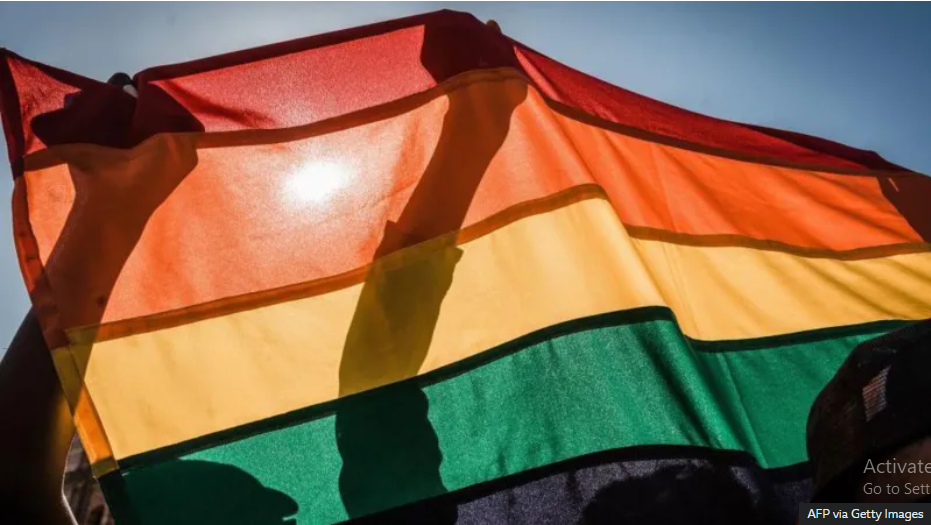
The debate surrounding Ghana’s proposed LGBTQ+ legislation is emerging as a potentially decisive issue ahead of the 2028 general elections. A recent survey conducted by Africa Policy Lens (APL) indicates that public perceptions of the government’s delay in assenting to the bill may significantly influence voter behaviour.

The survey, carried out between April 9 and 11, 2026, sampled 6,796 eligible voters across all sixteen regions using a bulk SMS methodology. According to the findings, 80.7% of respondents stated that the government’s inaction on the bill would affect how they vote in the upcoming presidential election.
Dr Hayford Mensah Ayerakwa, APL’s Director of Research and Administration, interpreted the results as evidence of an emerging accountability dynamic, noting that many voters increasingly regard the issue as a measure of governmental credibility.
Public sentiment appears strongly critical of the delay. Approximately 85.2% of respondents expressed disappointment, while 86.4% indicated that they felt misled by the government’s handling of LGBTQ+ issues.
The bill, which has generated sustained national controversy since its passage by Parliament, remains unsigned. This has intensified pressure on the government from both domestic religious constituencies and international stakeholders.
The survey further highlights potential political consequences. A majority of respondents (57.5%) believe the appropriate course of action is to vote the current administration out of office, while 29.3% support increased public pressure, including protests. Only 6.8% of respondents consider inaction to be acceptable.
Regionally, the highest response rates were recorded in Greater Accra Region (23.3%) and Ashanti Region (14.8%), suggesting a particularly high level of engagement among urban populations.
These findings emerge amid broader scrutiny of the administration of John Dramani Mahama, particularly in relation to economic management and governance expectations. Although the elections remain two years away, the data suggest that political parties may find it increasingly difficult to avoid addressing the LGBTQ+ issue in their campaign strategies.


