


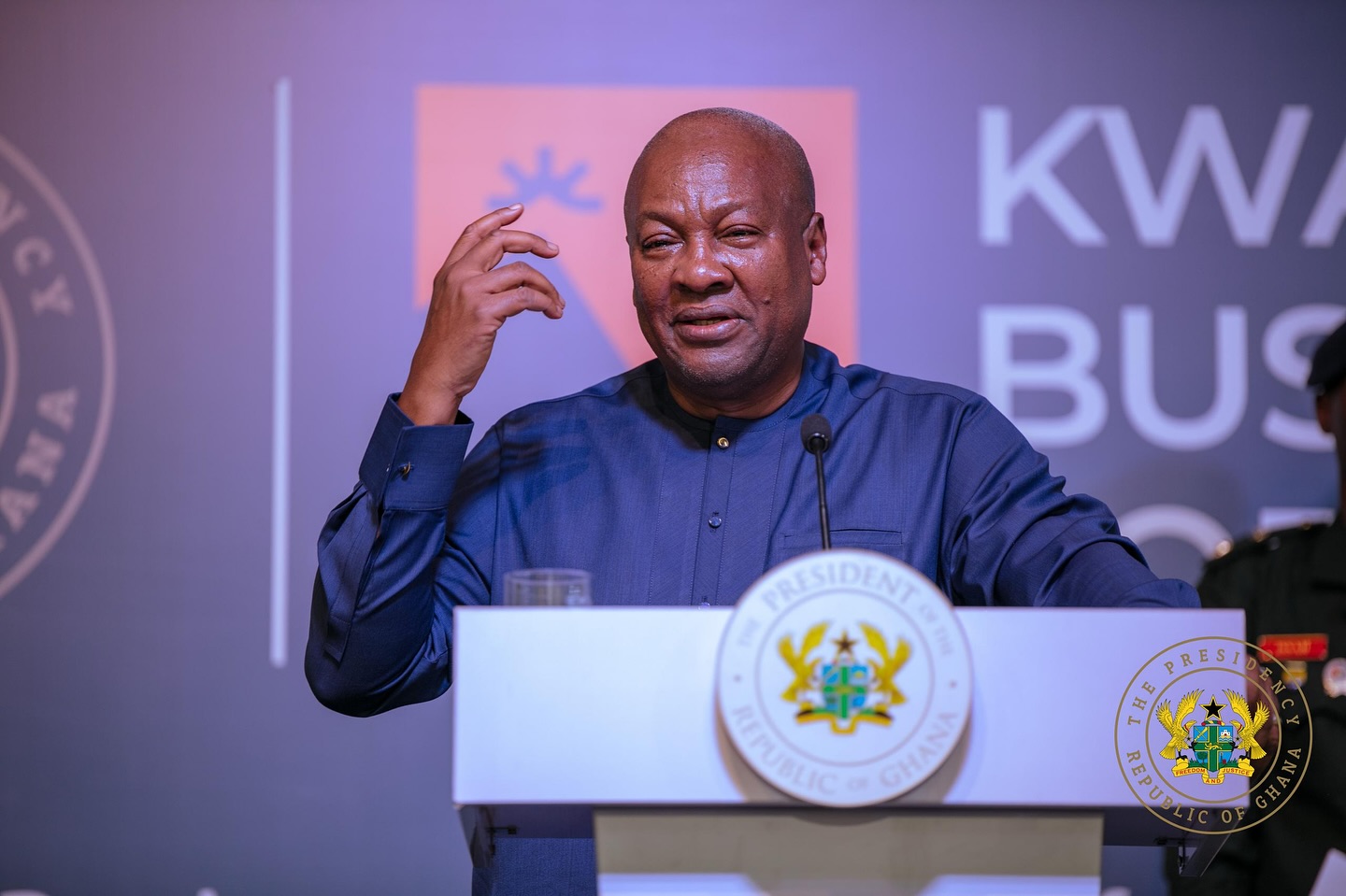
President John Dramani Mahama says he is unfazed by insults and personal attacks directed at him, insisting that his priority remains doing what he believes is right for Ghana and Africa.

Speaking during an engagement with Ghanaians in New York on Friday, September 25, 2026, the President addressed concerns over what he described as a growing culture of insults, vilification and personal attacks on social media.
Mr Mahama said his years in Ghanaian politics and public service, including his previous tenure as President, had exposed him to intense criticism and personal attacks.
According to him, those experiences had helped him develop the resilience to withstand attacks, particularly those directed at him personally.
“As a leader, I don’t mind being insulted. I have been insulted, I was vilified, and I was voted out of office, so for me, this skin is a crocodile skin.”
He said despite the criticism, he remained focused on contributing to the development of Ghana and the wider African continent.
“So if you insult me, I don’t mind. You insult me, I don’t mind, and indeed, I am doing what I can for my country and my continent. I am doing what I can for Ghana and Africa,” he said.
The President reiterated that he would continue to pursue what he considered to be the right course of action despite criticism.
“I will do what is right. I don’t mind the insults,” he said.
However, Mr Mahama said the broader question of how society should deal with abusive content on social media, including platforms such as TikTok, required careful consideration.
He noted that government could choose to adopt a completely hands-off approach to online expression, but questioned whether that would be in the public interest.
“I can go to Cabinet and say, lay off, let anybody insult anybody, let’s leave it free for all and don’t arrest anybody for anything they say. We can do that, but is that what we want?” he asked.
His comments came amid wider discussions about the regulation of TikTok and other new media platforms, particularly the balance between protecting freedom of expression and addressing abusive or harmful content published online.
The debate has increasingly focused on how governments and society can address harmful online conduct while safeguarding legitimate expression and public discourse.


