


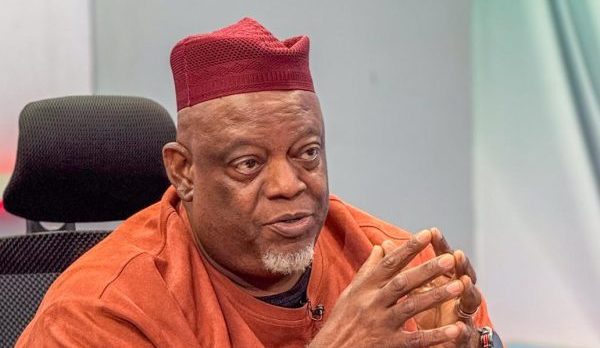
The Chief Executive Officer of Dalex Finance, Joe Jackson, has cautioned that Ghana may come under renewed budget strain following its exit from the IMF-backed bailout, warning that public spending could rise quickly without ongoing external supervision.

Speaking on Citi FM’s flagship programme, The Big Issue on Saturday, May 16, which was monitored by the Ghanaian Radar, Mr Jackson said the shift from the IMF’s Extended Credit Facility to a non-financing Policy Coordination Instrument shows concern over keeping fiscal discipline once the programme ends.
“In my opinion, my interpretation of what has happened. You see, there’s going to be a lot of pressure on the government to spend. A lot of pressure, horrendous amount of pressure,” he said.
He explained that even though Ghana has officially closed the bailout programme, keeping a policy support deal with the Fund suggests officials still see IMF oversight as important for investor confidence and to curb overspending.
“All the government is doing is that, don’t let the IMF go away completely,” he stated.
Mr Jackson added that maintaining ties with the IMF could improve Ghana’s standing with international rating agencies and lower borrowing costs.
“When the rating agencies look at us, and having the IMF in the background to confirm that you’re doing the right thing, will actually save us money,” he added. His remarks follow the government’s announcement that it has successfully concluded the Extended Credit Facility programme, signaling Ghana’s move away from direct financial support.
In a statement released by Presidential
Spokesperson and the Minister for Government Communications, Felix Kwakye Ofosu, the government said the programme’s completion reflects restored macroeconomic stability and faster-than-expected progress on debt sustainability.
According to the statement, the turnaround resulted from aggressive fiscal and structural reforms rolled out after setbacks at the end of 2024.
Government also said Ghana will now work with the IMF through a Policy Coordination Instrument, a non-financing arrangement meant to provide technical assistance, policy alignment, and market confidence without direct cash disbursement.


