


The Ranking Member on Parliament’s Food, Agriculture and Cocoa Affairs Committee, Dr Isaac Yaw Opoku, has called on the government to suspend the rollout of the second phase of the Nkoko Nkitinkiti programme until a comprehensive review of the first phase is conducted.

According to him, the Ministry of Food and Agriculture must address implementation challenges identified by poultry farmers and other stakeholders to ensure the initiative achieves its objective of boosting local poultry production.
Dr Opoku made the call in an interview on Joy FM’s Top Story while responding to concerns raised by the President of the Poultry Farmers Association of Ghana, George Dassah, who questioned aspects of the programme’s implementation and warned that unresolved challenges could undermine its success.
“I think, yes, I would support what the poultry president said. I stated in my earlier submission that the minister should take our advice on board, issue a comprehensive review of the first phase, and address the challenges in the first phase before they roll out the second phase,” Dr Opoku said.
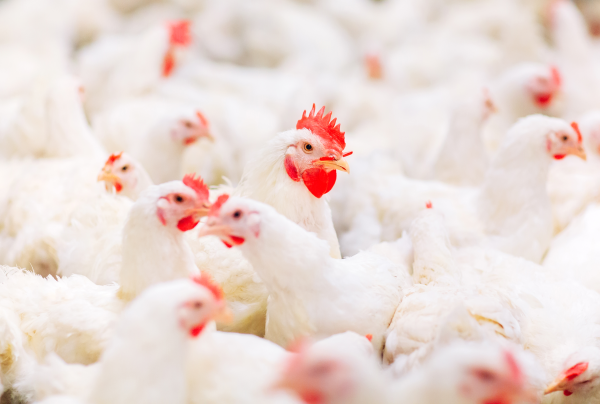
The Nkoko Nkitinkiti programme is one of the government’s flagship interventions aimed at revitalising Ghana’s poultry industry by distributing birds to households and farmers to encourage local production and reduce dependence on imported chicken.
However, the initiative has come under increasing scrutiny, with industry players citing weak market linkages, inadequate beneficiary education and implementation shortcomings as key obstacles to its effectiveness.
Dr Opoku said reports from some constituencies indicate that the programme has fallen short of expectations.
“If you want to do any assessment, I will urge the minister to take my constituency, for example. Actually, the programme is not in existence in my constituency,” he stated.
He also alleged that some beneficiaries received as few as two birds, raising concerns about the scale of support and the programme’s overall impact.
“We also received two birds, and some of them did not survive. So the success rate, I will tell you, is so low,” he said.
Despite these concerns, Dr Opoku stressed that his primary appeal was for the government to evaluate the first phase thoroughly before expanding the initiative.
He said such a review would help identify what worked, what failed and the adjustments required to improve implementation and maximise the programme’s impact in subsequent phases.
“My humble plea is that they should do a comprehensive review and address the challenges we faced in the first phase before we roll out the second phase,” he added.


