


By Kwesi B. Randolph Johnson (7th May 2026)

Many a conversation on social media these last few weeks about South Africa reflects a growing and deeply troubling tension between many Africans and South Africans over repeated incidents of xenophobic violence targeting fellow Black African migrants in South Africa.
Beyond the immediate attacks, the emotional reactions reveal a widening continental frustration, disappointment, and sense of betrayal that increasingly threatens African unity and Pan-African solidarity.
For many Africans across the continent, South Africa’s liberation struggle during apartheid was not fought in isolation. Numerous African countries provided political support, diplomatic backing, military training grounds, scholarships, refuge for exiles, and financial assistance to anti-apartheid activists and movements such as the African National Congress (ANC). Ghana, Nigeria, Zambia, Tanzania, Angola, and many others sacrificed resources and political capital in support of the freedom struggle against apartheid rule.
Because of this shared history, incidents of xenophobic violence against Nigerians, Ghanaians, Zimbabweans, Mozambicans, Ethiopians, Somalis, and other African nationals are often interpreted by many Africans as a painful rejection of the solidarity once shown to South Africa. The anger expressed in conversations demonstrates how these attacks are damaging South Africa’s image across the continent and internationally.
The messages also reveal how quickly frustration can evolve into dangerous generalizations and hostility against all South Africans.
Statements suggesting that South Africans should be “quarantined” or do not deserve to be part of the “free world” and “the Whites knew the kind of animals they dealt with which outsiders didn’t know” reflect the emotional intensity these incidents provoke.
While such reactions are understandable from a place of pain and outrage, they also risk deepening divisions among Africans and reproducing the same intolerance being condemned.
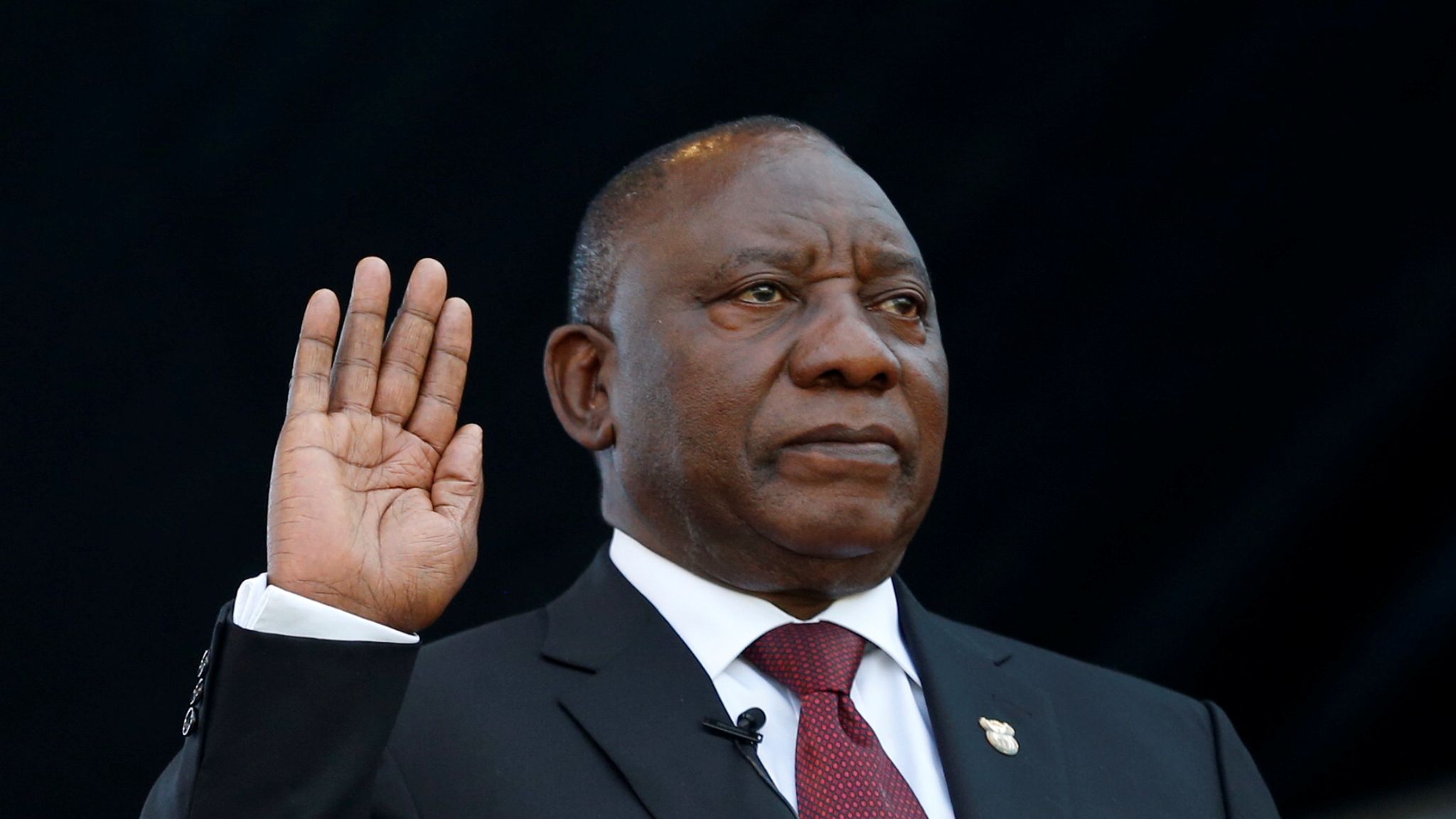
A particularly important aspect of the discussion is the criticism directed at South African political leadership. President Cyril Ramaphosa and the ruling ANC are accused by some Africans of failing to decisively address xenophobic violence, illegal vigilantism, and anti-foreigner rhetoric. At the same time, opposition politician Julius Malema is praised in the conversation for publicly condemning attacks on foreign Africans.
These contrasting perceptions demonstrate how the issue has become politically symbolic far beyond South Africa’s borders.
Another revealing element is the denial by some South Africans in conversations, rejecting claims that perpetrators in videos circulating on social media as South Africans, or argue that the languages heard in the videos did not sound South African. This reflects another layer of complexity (i.e., misinformation and social media circulation can intensify tensions before facts are fully verified).
Nevertheless, even when specific incidents are disputed, the broader pattern of xenophobic attacks in South Africa over the years has created a credibility crisis that shapes how many Africans interpret such events.
The social consequences are significant. Across Africa and within African diaspora communities abroad, resentment toward South Africans has increased in some quarters. South Africans traveling, studying, or working elsewhere in Africa may increasingly encounter suspicion, resentment, or hostility because of the perception that foreign Africans are unsafe or unwelcome in South Africa.
This undermines the ideals of African integration promoted by institutions such as the African Union and weakens the broader vision of Pan-African cooperation.
At the root of South Africa’s xenophobic tensions are multiple factors (i.e., high unemployment, poverty, inequality, crime, political scapegoating, competition over informal-sector opportunities, weak immigration management, and frustration among marginalized communities). Unfortunately, foreign African migrants are often unfairly blamed for social and economic hardships.
However, targeting vulnerable migrants through violence, intimidation, or humiliation cannot solve these structural problems.
The danger now is that xenophobia in South Africa may gradually trigger reciprocal anti-South African sentiment across the continent. If not carefully addressed through responsible leadership, law enforcement, public education, and continental dialogue, the cycle of resentment could erode decades of African solidarity built during the anti-colonial and anti-apartheid struggles.
Ultimately, Africans share common histories of colonialism, exploitation, migration, and struggle.
Our close kinship was only destroyed or weakened by the division by the colonialists which we failed to address adequately after independence; and is that an opportunity lost forever?
The needs another thorough engagement.
The challenge for both South Africans and other Africans is to reject collective blame, condemn violence consistently, and rebuild trust through justice, accountability, and mutual respect.


