


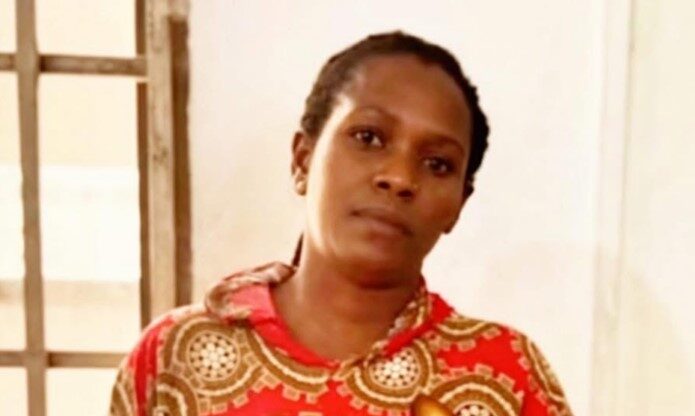
The New Patriotic Party (NPP) has condemned the one-year prison sentence handed to TikToker Camilla Alhassan, describing the conviction as a troubling sign of growing intolerance and the criminalisation of free expression under President John Dramani Mahama’s administration.

An Accra Circuit Court on Thursday, July 16, 2026, sentenced the 43-year-old content creator after she pleaded guilty to a charge of offensive conduct for publishing videos alleging, without evidence, that President Mahama buried 32 cows as ritual sacrifices to secure victory in the 2024 general election. The court, however, struck out a separate charge of electronic abuse, ruling that it lacked jurisdiction to hear that aspect of the case.
In a statement, the NPP argued that the imprisonment of a citizen over expressive conduct raises serious constitutional concerns regarding the protection of freedom of speech under Article 21 of the 1992 Constitution.
“The imprisonment of a citizen over expressive conduct raises profound constitutional questions regarding the freedom of speech guaranteed under Article 21 of the 1992 Constitution,” the party said.
“No amount of legal formalism can conceal the fact that a Ghanaian has today been deprived of her liberty in circumstances arising from her expression. This is not the hallmark of a confident democracy.”
The opposition party maintained that if the President believes he has been defamed, the appropriate remedy lies in civil litigation rather than criminal prosecution.
“If any person, including the President of the Republic, believes that he has been defamed, our legal system provides a clear, civilised and well-established remedy: an action in civil defamation,” the statement said.
“What we have witnessed instead is the deployment of the coercive machinery of the State, including the Police, the Attorney General and the criminal courts to punish an ordinary citizen.”
The NPP also criticised the treatment of Madam Alhassan during the court proceedings, describing reports that she was paraded and handled as though she were a violent offender as an affront to her dignity.
The case has renewed public debate over the use of criminal laws to regulate online expression. According to the Media Foundation for West Africa (MFWA), 14 arrests linked to false news and offensive speech have been recorded during the first 16 months of the Mahama administration—nearly double the number documented over the previous administration’s eight years.
The MFWA has expressed concern over what it describes as the increasing use of Section 76 of the Electronic Communications Act and Sections 207 and 208 of the Criminal Offences Act to arrest and prosecute individuals for comments made on social media and other public platforms.
The NPP said it has also petitioned members of the diplomatic community to take note of the developments and support the protection of democratic values. It further pledged to support all lawful efforts to appeal Madam Alhassan’s conviction and sentence.
The government, however, has defended the prosecution, insisting that it is not intended to suppress free speech but to address the growing spread of false and harmful content online. Communications Minister Samuel Nartey George has maintained that while freedom of expression remains a cornerstone of Ghana’s democracy, the government will not tolerate what he describes as the “weaponisation of fake news.”


