


Ben Boakye, Executive Director of the Africa Centre for Energy Policy, has called on government and industry players to promote in-country fuel storage and build strategic reserves to protect Ghana’s economy from global disruptions and rising fuel costs.

Speaking on the Joy Super Morning Show amid sharp increases in local fuel prices, Boakye warned that Ghana’s current stock levels may be inadequate to withstand prolonged import challenges. Petrol is now selling at around GH¢13.30 per litre, while diesel has reached approximately GH¢17.10 per litre at major filling stations.
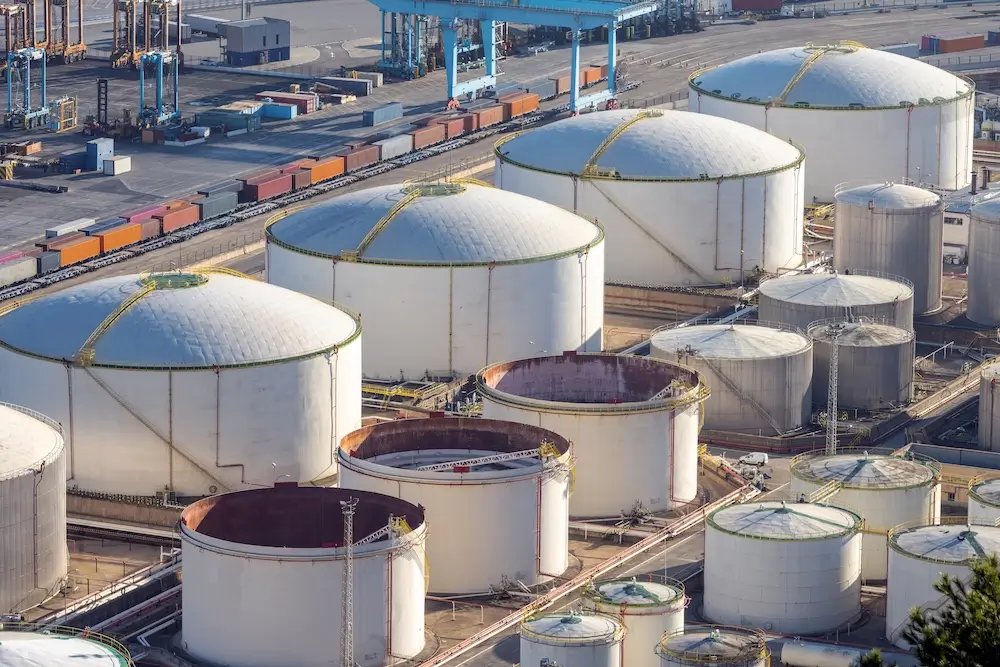
“We are over-tanked, but we don’t have enough products at all times,” he said, explaining that although private depots have the capacity to store up to three to four weeks’ supply, the country lacks a dependable strategic buffer.
The recent surge in fuel prices follows adjustments by the National Petroleum Authority (NPA) to pricing floors for the April 1–15 window. These increases reflect ongoing volatility in global crude oil markets, as well as the depreciation of the Ghana cedi.
Industry observers attribute part of the price hikes to geopolitical tensions in the Middle East involving the United States, Israel, and Iran, which have disrupted global oil supply chains. Under Ghana’s current pricing regime, such international fluctuations are typically passed on to consumers unless government steps in—making domestic stockpiles an important safeguard.
Boakye therefore urged policymakers to introduce incentives that would encourage private sector players, including Bulk Distribution and Export Companies (BIDECs) and Oil Marketing Companies (OMCs), to store more fuel locally instead of in neighbouring countries like Togo, where storage may be more cost-effective.
He proposed that part of the solution could involve mandating that a portion of annual trade—such as 10% of activities by Bulk Distribution Companies (BDCs)—be reserved as a national buffer.
“Encouraging the private sector to store products in the country, through reduced charges and incentives, provides a buffer for us when we have hard times,” Boakye stated.
With Ghana still heavily dependent on imported refined petroleum products, the absence of substantial strategic reserves leaves the country vulnerable to supply disruptions if imports are delayed or halted for any extended period.


