


The President of the Ghana National Association of ADR Practitioners (GNAAP), Daniel Owusu-Koranteng, has underscored the need for collective action to address men’s mental health in Ghana.

Speaking as the keynote speaker at the University of Cape Coast (UCC) Men’s Mental Health Awareness Forum, Mr. Owusu-Koranteng highlighted the importance of creating a supportive atmosphere that encourages men to prioritise their well-being.
“Men’s mental health is often shrouded in silence, with societal expectations and stigma preventing many from seeking help,” he said.
The forum, which was organised by the UCC Senior Staff Association-UoG, UCC Local Office of the Women’s Commission on Tuesday, June 24, 2025, was on the theme: “Silent Battles: Creating Safe Spaces for Men’s Mental Wellness.”
It aimed to create a safe space for discussing men’s mental health and promoting awareness about the silent struggles men face in managing their emotional and psychological well-being.
Mr. Owusu-Koranteng noted that common anxieties men face included financial, career, relationship, health, social, performance, masculinity, and future anxieties.
“These anxieties can significantly impact men’s overall well-being and quality of life if left unaddressed,” he added.
He stated that addressing men’s mental health required a collaborative effort.
“We need to work together to provide the necessary resources to support mental health initiatives and create a society that encourages open conversations about mental health,” he said.
According to him, healthy coping mechanisms were essential for managing stress and anxiety. “Engaging in physical activities, talking to someone trusted, and practicing mindfulness can help men cope with stress and anxiety,” he noted.
He also highlighted the importance of building a strong support network and engaging in hobbies.
However, Mr. Owusu-Koranteng warned against unhealthy coping mechanisms such as substance abuse, avoidance, aggression, withdrawal, and denial.
These mechanisms, he cautioned, can exacerbate mental health issues and worsen overall well-being.
He said biological differences between men and women also play a role in how they cope with stress.
“Oxytocin, often referred to as the ‘cuddle hormone,’ is released in smaller amounts in men during stressful situations, making it more challenging for them to manage stress,” he explained.
Mr. Owusu-Koranteng reiterated the importance of collective action in addressing men’s mental health.
“By working together, we can break the silence surrounding men’s mental health and create a supportive atmosphere that encourages men to prioritize their well-being,” he said, quoting the Serenity Prayer: “God grant me the serenity to accept the things I cannot change, the courage to change the things I can, and the wisdom to know the difference.”
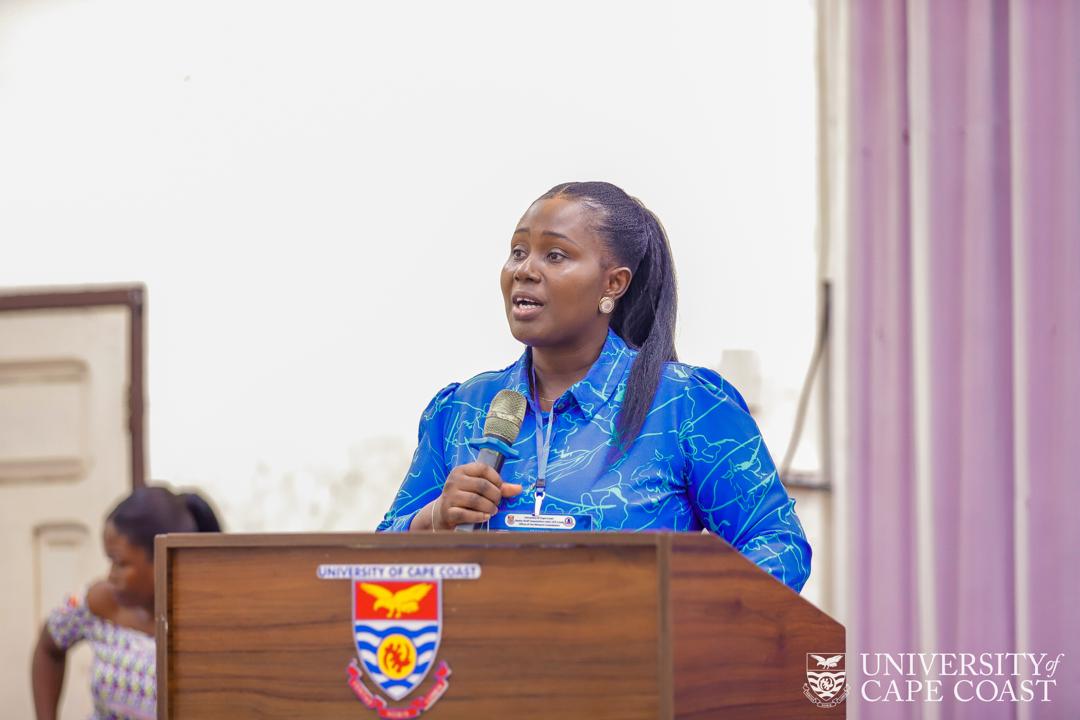
Early on, in a welcome address, the Women’s Commissioner, Mrs. Winifred Twenewaa Addaney, called for the promotion of mental wellness in the staff community.
“Mental health challenges among men, especially professional men, are often silent, deeply internal, and culturally suppressed,” she noted.
“As Women’s Commissioner, I firmly believe that the active involvement of the Women’s Commission in this initiative is not only justifiable but essential. Promoting mental wellness in our staff community is not a gendered task, it is a collective one,” Mrs. Addaney added.
She expressed gratitude to the Senior Staff Association Executives, the Women’s Commission Executives, and the Ghana Cooperative Credit Union Association for their support in making the programme possible.
“Your commitment to staff welfare and community well-being is deeply valued, and we are truly grateful for your support,” she said.

Story By: Dennis Ato Keelson


