


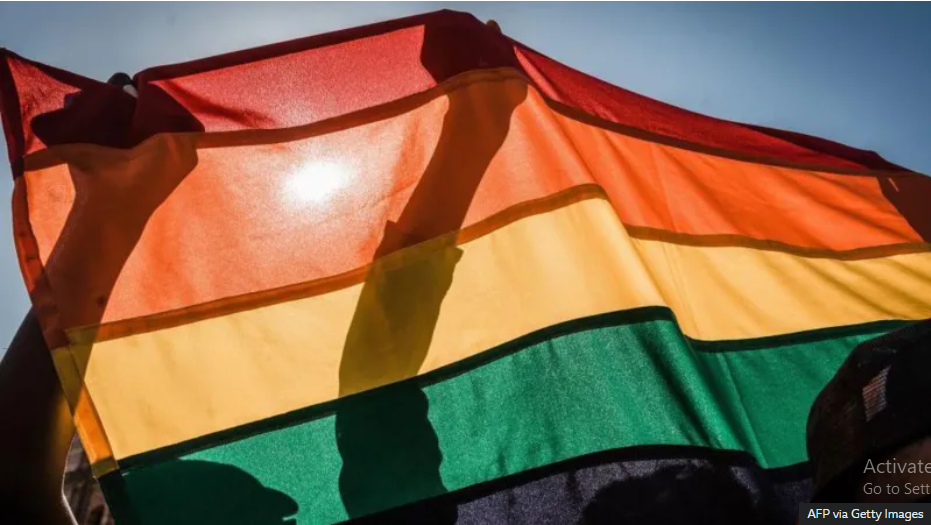
The Ghana Catholic Bishops’ Conference has called for a comprehensive national dialogue on family values and LGBTQ matters, cautioning against attempts to downplay the importance of the ongoing debate.

In a statement issued on Friday, April 10, and signed by its President, Matthew Kwasi Gyamfi, the Conference responded to recent remarks attributed to John Dramani Mahama and Felix Kwakye Ofosu concerning the relevance of LGBTQ+ issues within Ghana’s national priorities.
The Bishops said their intervention was made “as shepherds of the faithful and as citizens deeply invested in the spiritual, moral, social, and democratic flourishing of our nation,” adding that their aim was to enrich—not diminish—the quality of national discourse.
They referenced comments reportedly made by President Mahama at the World Affairs Council, where he described LGBTQ+ matters as “not the most important issue” facing the country. They also cited remarks by the Communications Minister suggesting the issue was “not a major priority” and a “waste of time.”
While acknowledging that such statements may have been intended to highlight urgent economic challenges, the Conference warned that this framing risks sidelining critical moral questions.
“Even if intended to prioritise urgent socio-economic concerns, such descriptions risk conveying that certain moral questions may be set aside as inconsequential,” the statement said. “Yet no question that touches the structure of human identity, family life, and social continuity can be trivial.”
Addressing Ghana’s broader socio-economic challenges—including inflation, unemployment, and gaps in public services—the Bishops emphasised that economic development and moral responsibility should not be viewed as competing priorities.
“We readily acknowledge the weight of Ghana’s present challenges. However, it is analytically unsound to frame a choice between economic progress and moral coherence. The two are not rivals but companions,” the statement noted.
The Conference highlighted the role of stable family structures in promoting social stability, improved educational outcomes, and economic mobility. It reaffirmed its position that marriage is a lifelong union between one man and one woman, rooted in cultural and religious values.
At the same time, the Bishops underscored what they described as two inseparable moral principles: the dignity of every person and the protection of the family institution.
“No individual, regardless of sexual orientation or identity, may be subjected to violence, hatred, or unjust discrimination,” the statement stressed, while also affirming society’s responsibility to uphold traditional family structures.
The Conference also addressed the Human Sexual Rights and Family Values Bill, noting that it has closely followed its progress in Parliament. It urged the President to honour previous assurances regarding assent to the bill, should it be passed, while also acknowledging the need for careful scrutiny to ensure alignment with constitutional protections and human dignity.
Calling for restraint and respect in public discourse, the Bishops warned against dismissive language on sensitive issues.
“To describe such a debate as a ‘waste of time’ risks alienating citizens for whom these issues are deeply meaningful,” the statement said.
They urged the executive, legislature, religious leaders, traditional authorities, and civil society to engage in dialogue grounded in mutual respect, intellectual seriousness, and moral clarity.
Concluding, the Bishops described Ghana as standing at “a delicate intersection where economic aspiration meets moral self-definition,” cautioning that decisions made today will have lasting generational consequences.
They ended with a prayer for wisdom and unity, asking for divine guidance for the nation and invoking blessings for Ghana’s continued progress and strength.


