


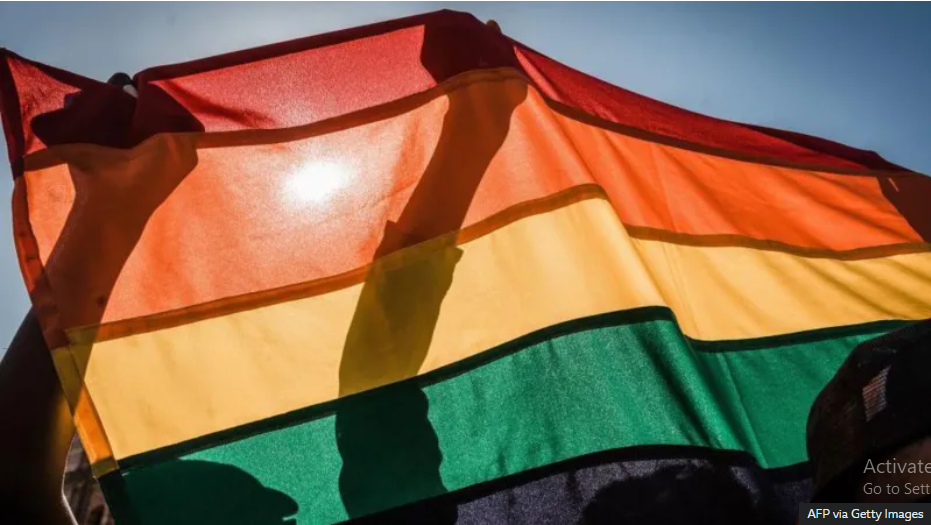
The Coalition of Muslim Organisations, Ghana (COMOG), has raised concerns over what it describes as significant changes made to the Human Sexual Rights and Family Values Bill, popularly known as the Anti-LGBTQI+ Bill, before its passage by Parliament.

In a statement issued on Thursday, June 4, 2026, and signed by its National President, Hajj Abdel-Manan Abdel-Rahman, the coalition claimed that key provisions aimed at holding financiers, sponsors and promoters of LGBTQI-related activities accountable were removed from the final version of the legislation.
According to COMOG, the deleted provisions were intended to provide legal grounds for investigating and prosecuting individuals, organisations and institutions accused of funding, facilitating, promoting or advocating LGBTQI-related activities.
Concerns Over Accountability Provisions
The coalition, which is a member of the National Coalition for Proper Human Sexual Rights and Family Values, argued that the removal of those clauses could limit the effectiveness of the legislation.
Without such provisions, COMOG contends that individuals and organisations alleged to be providing financial or institutional support for LGBTQI-related activities may not be subject to the same level of legal scrutiny envisioned under earlier drafts of the bill.
“Of particular concern is the reported removal of provisions intended to hold accountable individuals, organisations, and institutions that fund, promote, sponsor, facilitate, or advocate LGBTQI-related activities. Their absence raises legitimate questions about the effectiveness and impact of the current legislation,” the statement said.
The coalition also expressed concern over reports that the latest version of the bill was passed without the extensive stakeholder consultations that characterised the development of previous drafts.
Support for Speaker Bagbin’s Position
COMOG commended Speaker of Parliament, Alban Sumana Kingsford Bagbin, for seeking clarification on the circumstances surrounding the bill’s passage and for raising concerns about the legislative process.
The organisation recalled its longstanding engagement with the Speaker during deliberations on earlier versions of the legislation and referenced the recognition previously conferred on him by sections of the Muslim community for his support of what they describe as Ghana’s moral and family values.
According to the coalition, the original draft of the bill emerged from broad consultations involving religious bodies, traditional leaders, civil society organisations and other stakeholders.
Criticism of Both Parliamentary Majorities
COMOG also criticised both the previous and current parliamentary majorities over their handling of the legislation.
The coalition argued that while the previous Parliament was unable to secure presidential assent for the original bill, the current Parliament had overseen the passage of a version that, in its view, omitted important safeguards.
“While the previous majority was unable to secure Presidential assent for the original Bill, the current majority appears to have presided over a process that weakened critical safeguards meant to protect Ghana’s religious values, cultural heritage, family structure, and moral foundations,” the statement noted.
Call for Reconsideration
The coalition has called on faith-based organisations, traditional authorities, civil society groups and other stakeholders to support efforts aimed at reviewing the legislation and reconsidering provisions contained in the earlier draft.
COMOG maintains that any legislation dealing with issues of morality, family values and social policy should be developed through a transparent process that reflects broad national consensus.
The Human Sexual Rights and Family Values Bill remains one of the most debated pieces of legislation in Ghana in recent years, attracting support from religious and traditional groups while drawing criticism from human rights organisations and sections of the international community.
Recent concerns over the bill’s content and legislative process have intensified public debate about its future and the next steps before it can be presented to President John Dramani Mahama for consideration.


