


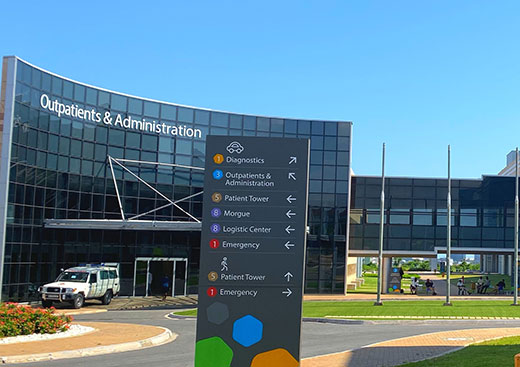
Former Chief Executive Officer of the University of Ghana Medical Centre, Darius Osei, has strongly criticised the “pay-before-service” practice in Ghana’s emergency wards, describing it as a life-threatening system that undermines basic medical ethics.

Speaking at a JoyNews national dialogue on April 2, 2026, Dr Osei said the requirement for upfront payment in emergency situations forces Good Samaritans and families to navigate complex billing processes while patients’ lives hang in the balance.
He argued that such delays often prove fatal.
“Patients must be attended to within 10 minutes, and no money should be collected within the first 24 hours,” he stated, referencing a policy he implemented during his tenure at UGMC.
According to him, the current system places an unrealistic burden on patients and relatives, many of whom cannot immediately access large sums of money in critical moments.
Advocating a ‘Care First’ Approach
Dr Osei proposed a nationwide policy that prioritises treatment before payment, suggesting that emergency care should be delivered immediately, with financial processes deferred.
He explained that this approach was successfully implemented at UGMC, where patients received prompt care without being delayed by administrative or financial requirements.
One-Stop Emergency Model
The former CEO also highlighted the importance of integrated emergency units, stressing that critical services such as pharmacy, laboratory, and radiology should be located within the emergency department.
He said this “one-stop-shop” model eliminates the need for patients or their relatives to move across hospital facilities in search of services, a process that can cost valuable time.
“That is the reason why it is called an emergency,” he noted, emphasising that treatment must be immediate and accessible at the point of care.
Addressing Infrastructure Gaps
Beyond billing concerns, Dr Osei pointed to significant disparities in healthcare infrastructure across the country.
He observed that while institutions like the Ghana College of Physicians and Surgeons continue to produce skilled specialists, many remain concentrated in urban centres due to a lack of essential diagnostic equipment in regional and district hospitals.
He called for the provision of basic tools such as CT scans in district facilities to improve diagnosis and reduce referrals.
“I believe each district hospital should have a CT scan,” he said, adding that modern diagnostic equipment has become essential to effective medical training and practice.
Call for National Standards
Dr Osei concluded by urging the adoption of a standardised national emergency care framework, built around a “care first, pay later” principle.
He warned that without clear standards and legal backing, preventable deaths caused by delays in emergency care will persist.
As discussions around emergency healthcare reforms continue, his recommendations add to growing calls for systemic changes that prioritise patient survival over administrative procedures.


