


Ghana is set to host a High-Level “Next Steps” Conference on Reparatory Justice from June 17 to 19, 2026, in what is expected to be a significant milestone in global efforts to address the historical legacy of enslavement and racial injustice.

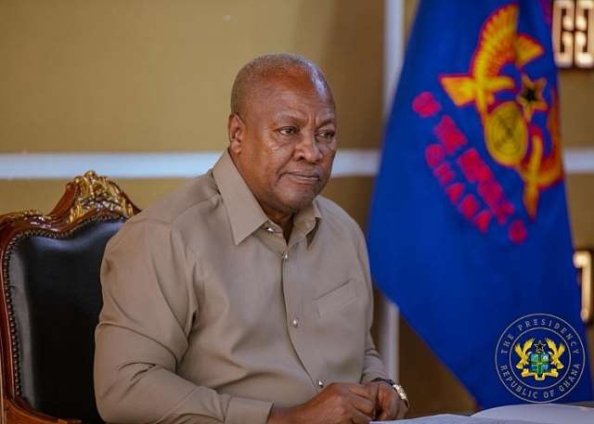
According to a statement issued on May 6, the conference is being convened under the auspices of the President of John Dramani Mahama, who also serves as African Union Champion for Reparations. It follows the adoption of a landmark resolution by the United Nations General Assembly recognising the trafficking of enslaved Africans and racialised chattel enslavement as among the gravest crimes against humanity.
The resolution reportedly received broad international support, with 123 UN Member States endorsing the measure, marking what officials describe as a major step forward in global acknowledgement of historical injustices and the need for structured reparatory engagement.
The Accra conference is designed to build on this momentum by translating the UN resolution—formally identified as A/RES/80/250—into practical frameworks for implementation. It will bring together Heads of State and Government, foreign ministers, legal experts, historians, academics, activists, and representatives of regional and international organisations.
Discussions will focus on developing coordinated policy approaches, institutional mechanisms, and long-term strategies to support reparatory justice initiatives at both continental and global levels. Organisers expect the final outcome document to provide actionable recommendations to guide future international engagement.
A key feature of the programme will be a commemorative Juneteenth event at Christiansborg Castle. The observance will mark the first joint Juneteenth commemoration between African states and African-descended communities in the United States, highlighting shared historical experiences linked to the transatlantic enslavement of Africans.
The ceremony is expected to serve as both a symbolic and reflective moment, reinforcing themes of remembrance, recognition, healing, and justice.
Beyond symbolic observance, the conference aims to strengthen Africa’s collective position on reparatory justice, deepen collaboration among participating states, and enhance engagement with the African diaspora and international partners. Officials emphasise that such cooperation is essential to advancing a unified and coherent global reparations agenda.
Outcomes from the conference are expected to contribute to shaping an international consensus and ensuring that momentum generated by the UN resolution translates into concrete policy action.
Further information on registration, participation, and accreditation is available through official channels under the Ministry of Foreign Affairs’ reparations platform.


