


Mounting worker disputes and job site volatility may weaken Ghana’s attractiveness for financiers, amid rising worry about the nation’s capacity to preserve industrial calm in a cutthroat international investment climate.

Industry participants are being encouraged to improve communication and embrace more realistic strategies for employee relations, focusing on steadiness, output and clear regulatory frameworks that pull in sustained funding.
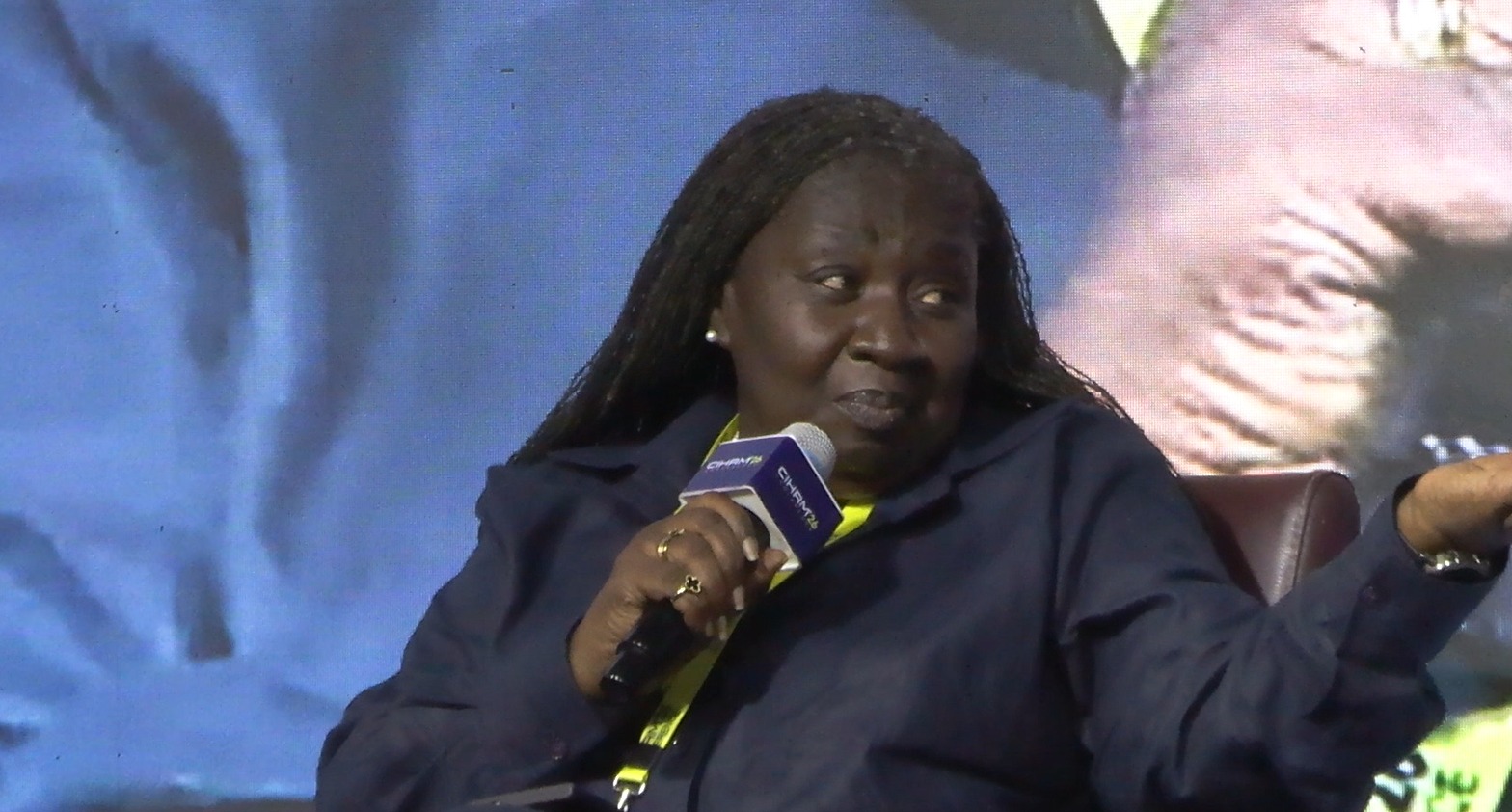
Addressing the 2026 Chartered Institute of Human Resource Management Ghana Conference in Accra, the National Labour Commission (NLC) Deputy Chairperson, Rose Karikari Anang, cautioned that funding choices were now heavily influenced by a country’s degree of workplace harmony.
She emphasised that ongoing walkouts in vital industries project poor messages to the finance community, stating: “What is happening elsewhere? How are they managing it? Sometimes you look at what is working. Can it work for us? If it can work, because you see, the investors are looking at the labour markets. They are looking at the industrialisation environment.”
She further warned that regular employment conflicts could hurt Ghana’s market edge, adding: “People are in arms, public universities, public sector, the teachers’ union. What is happening? Why do I invest in a country where every time some strike is going on?”
As she explained, worldwide backers are carefully watching worker relations and steadiness before allocating funds, turning industrial calm into a core economic element instead of merely an employment matter.
Madam Anang also urged a change in attitude from all parties, pressing them to concentrate on common national goals.She highlighted that Ghana should follow international workplace standards while making sure adjustments are workable and fit an evolving labor landscape.
The gathering, called “Advancing Human Resource Excellence in Ghana: Leadership, Technology and Governance,” assembled HR experts, government officials and business leaders to explore the future of employment.


