


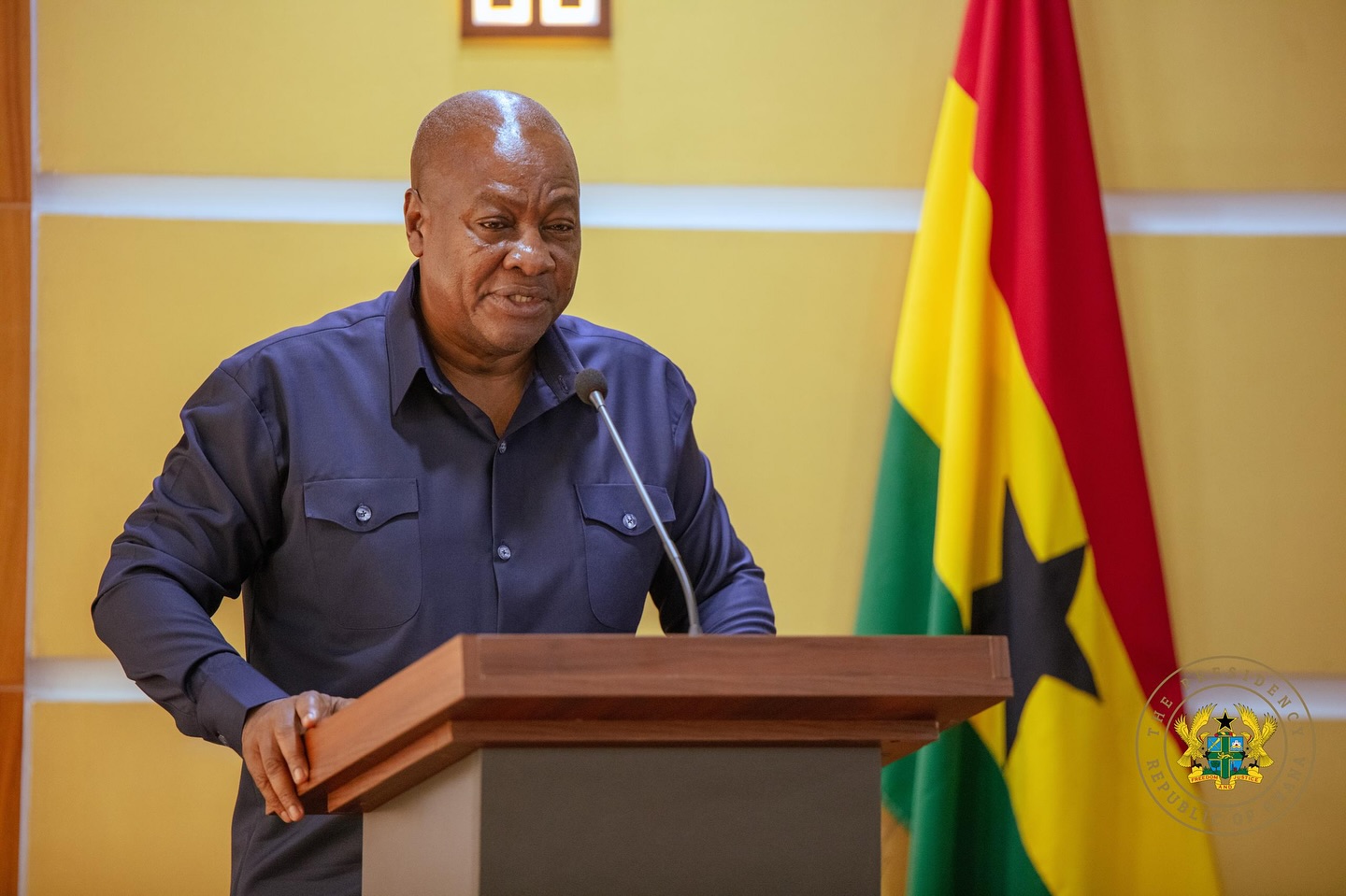
Ghana’s constitutional reform process is set to reach a decisive turning point today as President John Dramani Mahama chairs a special Cabinet meeting focused on the government’s official response to proposed constitutional amendments.

The high-level session, scheduled for Thursday, 14 May 2026, follows an extended period of legal examination conducted by the Attorney General’s Department and the President’s legal advisers. Their work has culminated in a draft position paper that will now be considered by Cabinet for approval.
Speaking on Joy News, government spokesperson Felix Kwakye Ofosu said the President demanded a detailed review of every recommendation before the administration adopted a formal position.
According to him, that assessment phase has now been completed, paving the way for Cabinet to determine which reforms the government is prepared to support.
He explained that the constitutional review process requires the preparation of a “Position Paper” rather than a traditional “White Paper” because the review body does not operate under the same framework as a Commission of Inquiry.
The document expected to emerge from today’s meeting will outline the administration’s official position on the various reform proposals submitted by the constitutional review committee. Government sources indicate that the recommendations will not be adopted wholesale. Instead, each proposal is expected to undergo practical and legal evaluation before a final decision is made.
Under the process being considered, some recommendations could be fully endorsed, others revised substantially, while certain proposals may be dismissed entirely on grounds of feasibility or national interest.
Mr. Kwakye Ofosu also disclosed that the approved document will later be released publicly to ensure citizens are informed about the government’s direction on constitutional reform.
Following Cabinet’s deliberations, the administration is expected to begin the next phase of implementation, including the establishment of a dedicated implementation committee, nationwide public education efforts, and the initiation of parliamentary or referendum procedures required to operationalise approved reforms.
Although other national issues may feature during the meeting, officials maintain that constitutional reform remains the central focus of the day’s proceedings, with the outcome likely to shape Ghana’s governance structure for years to come.


