


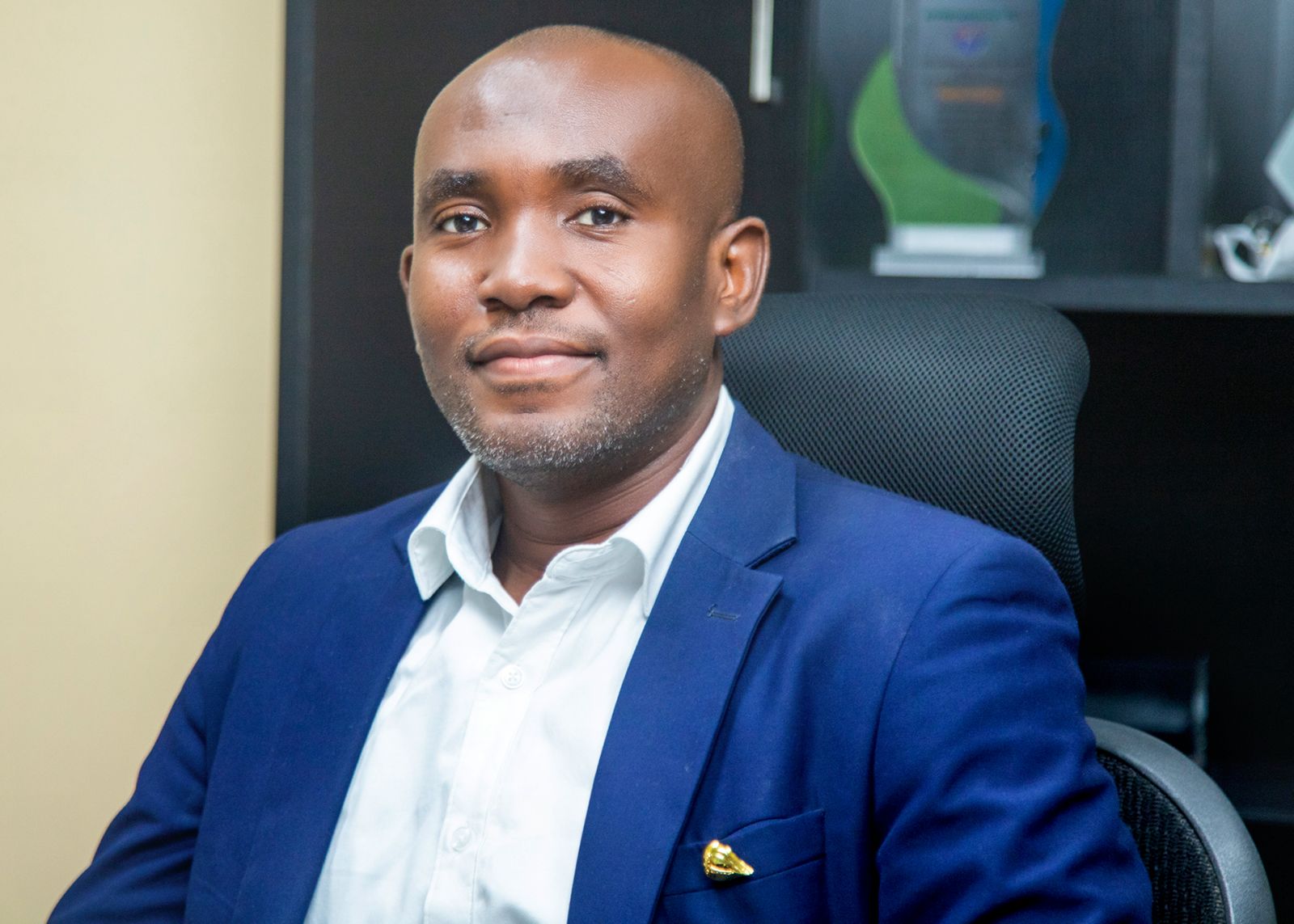
The Public Utilities Regulatory Commission (PURC) has stated there was no need for an official load-shedding schedule despite recent blackouts that have upset many Ghanaians.

The acting Executive Secretary, Dr Shafic Suleman, said the current interruptions aren’t “dumsor” and stressed that electricity supply will stabilize soon.
Speaking on JoyNews on April 27 which was monitored by Ghanaian Radar, he insisted the situation does not call for rationing steps. “It doesn’t require us to do any load shedding… we are resolving most of the problems, and I’m sure power will be fully restored as soon as possible,” he said.
His remarks follow rising public demands for a formal timetable to help homes and businesses plan around frequent, unannounced outages that have hurt economic activity and brought back memories of past nationwide power crises.
Dr Suleman blamed the disruptions mostly on technical issues and ongoing system upgrades, not generation shortfalls. He pointed to a recent transmission problem.
“On Thursday we had an unfortunate accident… and that’s a huge problem because about 1,000MW has been curtailed,” he revealed, citing an incident at a GRIDCo substation at Akosombo.He said engineers are working to bring back lost capacity while wider infrastructure upgrades continue.
He also highlighted long-standing investment deficits in the power distribution network.“The system has been under-invested for a very long time… we are upgrading it to make it much more convenient for Ghanaians to use,” he explained.As part of these efforts, he noted that the Electricity Company of Ghana (ECG) is swapping out and installing thousands of transformers across the country to boost reliability, with over 3,000 units already secured for rollout in affected areas.
The current power troubles have sparked broad concern among firms and households, many of whom say the unpredictable outages are raising running costs and hurting productivity, especially due to dependence on generators.
The situation has also reignited wider national debate about the stability of Ghana’s power sector, which has faced recurring supply hitches in recent years.
Periodic instability—often linked to generation, transmission, and distribution limits—has previously forced load-shedding schedules widely called “dumsor”.
Dr Suleman, however, maintained that the government is handling the current situation and called for calm, saying, “We are working for the Ghanaian consumer… these are temporary challenges, and we are putting in place measures to ensure stable power supply.”


