


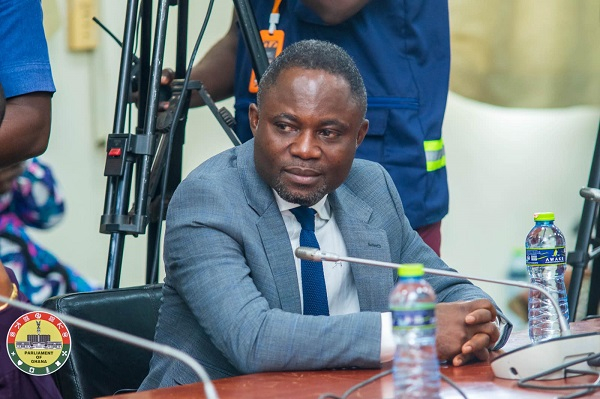
Ghana is confronting an escalating public health challenge, with non-communicable diseases (NCDs) now responsible for nearly half of all deaths, according to the Minister for Health, Kwabena Mintah-Akandoh.

Speaking on PM Express on JoyNews on Monday, the Minister warned that urgent action is required to prioritise early detection and prevention in order to reduce the growing burden of these conditions.
“The NCDs are rising at an alarming rate in this country. About 42 to 45 per cent of our mortalities are attributable to non-communicable diseases,” he stated.
His remarks come amid increasing pressure on Ghana’s healthcare system, which continues to grapple with both infectious diseases and a surge in chronic conditions such as hypertension, diabetes, and cardiovascular diseases.
In response, the government is implementing a renewed focus on free primary healthcare aimed at improving access and encouraging early diagnosis. The Minister explained that individuals can access these services using basic forms of identification, including a driver’s licence, Ghana Card, passport, or National Health Insurance card.
He emphasised that a key component of the strategy is the decentralisation of healthcare delivery, particularly through community-based screening initiatives. According to him, taking healthcare services directly into homes will significantly enhance early detection and prevention.
“We must begin to detect these conditions on time to prevent them from progressing into complications,” he noted.
The initiative forms part of a broader health reform agenda designed to strengthen prevention, early diagnosis, and treatment mechanisms. Central to this effort is the introduction of the “Mahama Cares” policy, which aims to provide support for individuals with advanced or complicated conditions.
While acknowledging that not all cases can be prevented or detected early, the Minister indicated that the government is developing complementary measures to manage such situations effectively.
He reiterated that a comprehensive and integrated approach—combining free primary healthcare with targeted interventions for advanced cases—is essential to addressing the rising incidence of non-communicable diseases and improving overall public health outcomes in Ghana.


