


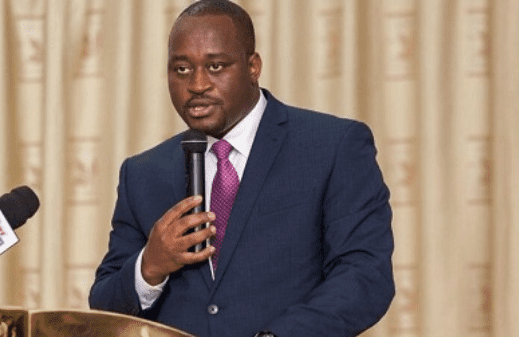
Economist and political risk analyst Theo Acheampong, now serving as Technical Advisor at the Ministry of Finance, says Ghana’s current gold windfall provides a strategic opportunity to reinforce the country’s economic stability.

Speaking on PM Express on Joy News on Monday, Dr Acheampong highlighted strong data linking gold performance to Ghana’s external buffers.
“Of course, gold has been at historical all-time highs,” he said, referencing the government’s reserve accumulation policy. According to him, projections from major investment banks, multilateral institutions, and internal assessments at the Finance Ministry suggest the favourable trend may persist.
“Everything indicates that you’re likely to still have this tailwind that you can actually leverage on for the next two to three years,” he noted.
Dr Acheampong stressed that the real issue is how Ghana capitalises on the opportunity.
“The idea really is that what do you do to actually take advantage of the potential high prices that we have seen in relative historical terms, to build a buffer, or, as we put it, to build a war chest,” he explained.
He clarified that the accumulation of reserves is not an end in itself but a strategic tool.
“You’re building the war chest, not the reserves. It is not a means or an end in and of itself. It’s a means to an end,” he said, adding that the ultimate objective is macroeconomic stability.
According to him, stronger reserves can support the cedi, stabilise the broader economy, and ultimately translate into job creation.
Dr Acheampong emphasised that the relationship between gold performance and Ghana’s external strength is backed by analysis rather than speculation. He explained that his team examined gold data alongside gross international reserves, inflation, and exchange rate trends, conducting correlation and causality assessments.
“The correlation there is actually positive,” he said, noting that the coefficient stands at approximately 0.64.
He argued that the figure demonstrates a meaningful link: as gold performance improves, Ghana’s gross international reserves tend to rise as well. Stronger reserves, he added, can help stabilise the currency, ease inflationary pressures, and support sustainable economic growth.


