


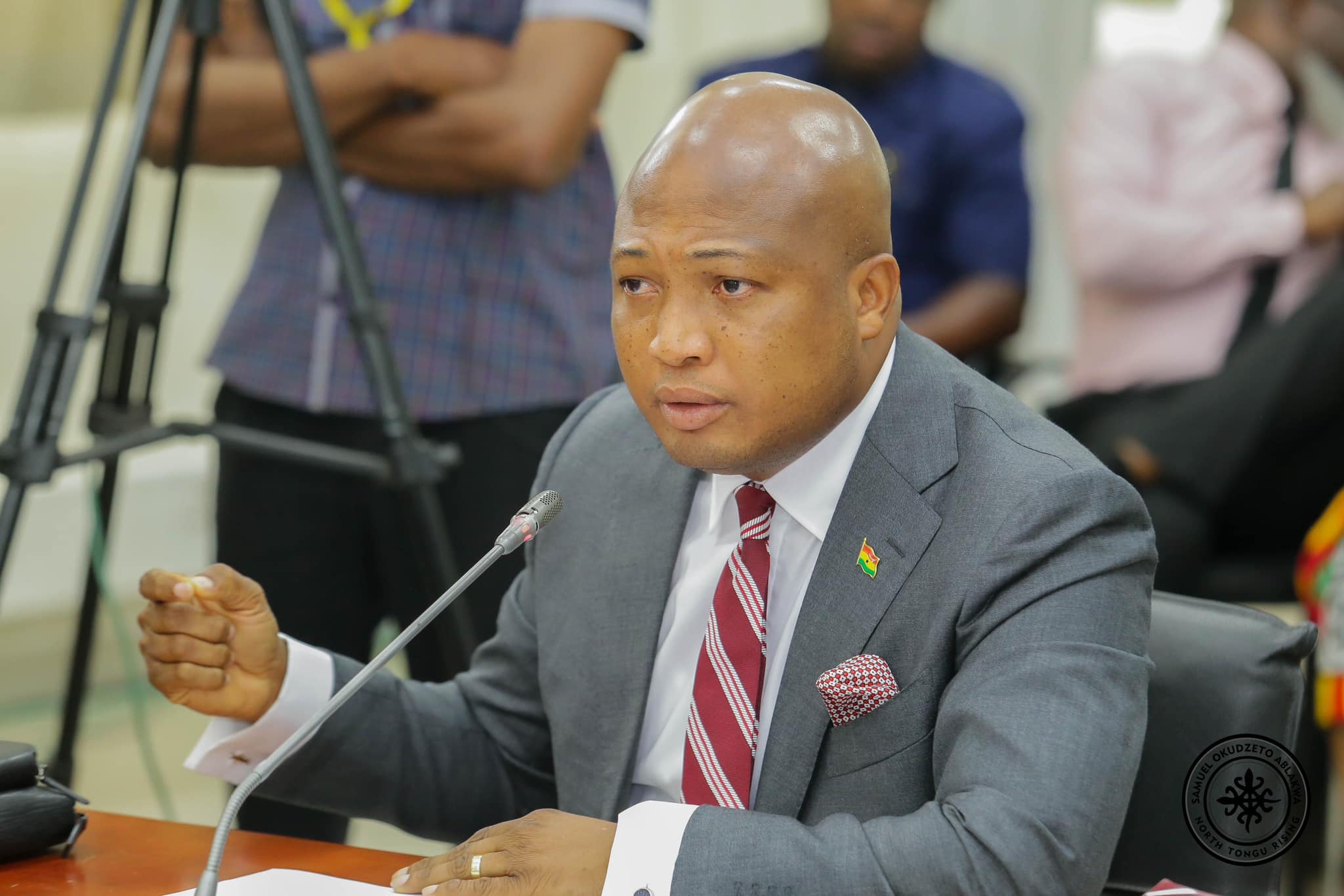
Ghana’s Minister for Foreign Affairs, Samuel Okudzeto Ablakwa, has stated that the trafficking and enslavement of Africans have now been firmly recognised as the gravest crime against humanity, following the adoption of a landmark United Nations resolution championed by Ghana.

Speaking in the United States after the United Nations approved the resolution on Wednesday, March 25, Mr Ablakwa said the decision reflects a clear and principled stance by the global community.
“Today, through this resolution, the world has spoken with clarity and truth. We have affirmed that the trafficking of enslaved Africans and their racialised chattel enslavement is the gravest crime against humanity,” he said.
He noted that the magnitude and long-term consequences of the transatlantic slave trade demand recognition at the highest level, describing the move as essential to global healing and a safeguard against future injustices.
Mr Ablakwa stressed that the resolution is not about assigning blame or reopening past wounds, but about confronting history honestly.
“It is not about apportioning blame across generations or nations… it is about ensuring that those wounds are neither forgotten nor denied,” he said.
He further explained that while history is complex, certain events stand out because of their scale and impact, and acknowledging them strengthens, rather than diminishes, collective understanding.
“It recognises that even within complexity, there are moments in history defined by their scale, their systemisation, and their impact on humanity,” he added.
According to him, the adoption of the resolution marks a renewed global commitment to remembrance, education, dialogue, and cooperation in addressing the legacy of slavery.
“What we have achieved today helps all of us in our renewed commitment to remembrance… so that future generations inherit truth, not silence,” he said, adding that the focus must remain on building unity through honest engagement.
The Ghana-led resolution has been widely regarded as a significant step in deepening global discussions on historical justice and the enduring effects of slavery on African and diaspora communities.


