


Story By: Dennis Ato Keelson

The World Bank has extended the implementation timeline of its Climate Change Action Plan to another year, citing unmet targets.
The decision was made public during the recent World Bank Spring Meetings in Washington DC, where stakeholders discussed pressing global issues, including climate change, energy, and youth participation.
According to sources, the Bank’s Energy Strategy is likely to focus on renewables, natural gas, and nuclear, with a renewed emphasis on large hydro-power and gas plants expansion. However, concerns were raised about the lack of youth participation in decision-making processes, despite discussions on job creation for young people.
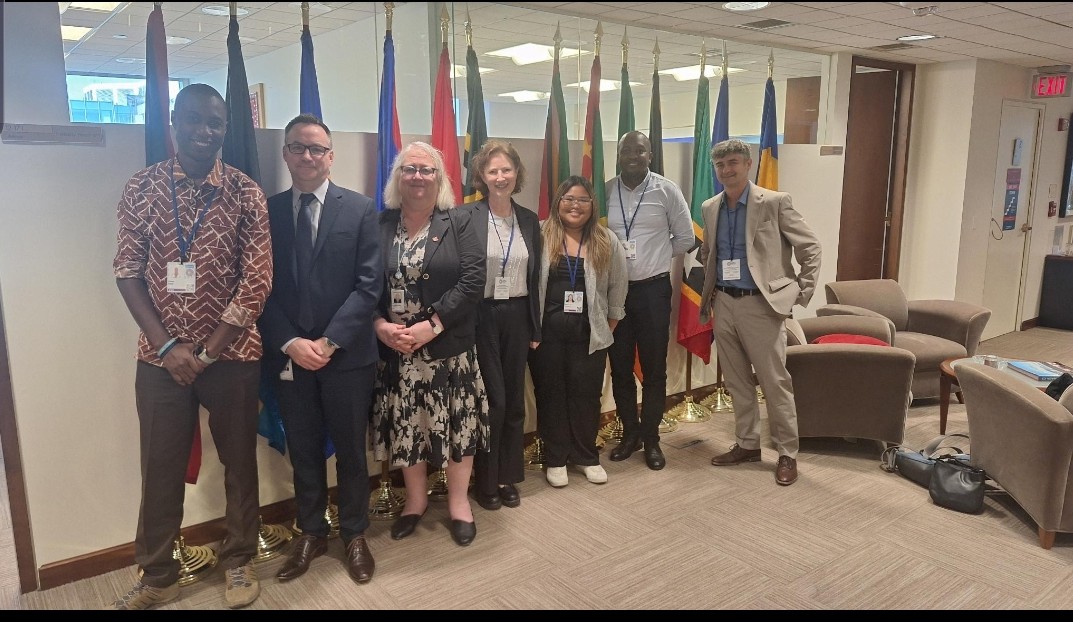
A member of the Big Shift Global delegation, Maazi Chibeze, expressed disappointment over the limited role of young people in shaping the Bank’s policies. “While the Bank knows what to do for young people, the challenge lies in how to involve them in decision-making processes,” Chibeze noted. “It’s essential to ensure that young people are at the table when decisions are being made, rather than just being beneficiaries of programs.”
The World Bank Group has announced initiatives that could benefit young people, including a $100 billion replenishment of the International Development Association (IDA) 21, aimed at creating millions of job opportunities for young people in Africa. The Mission 300 program, which aims to provide electricity access to 300 million Africans by 2030, also presents potential job opportunities for young people.
Chibeze has offered to share a paper on how young people can be involved in decision-making processes, and the World Bank officials have welcomed this initiative. The move is seen as a step towards ensuring that young people are adequately represented in the Bank’s policies and programmes.
The World Bank’s commitment to youth participation and job creation is crucial for addressing the pressing development challenges facing many countries, particularly in Africa. As the Bank moves forward with its new strategies and initiatives, it remains to be seen how effectively it will engage young people in decision-making processes and create opportunities for them to contribute to their countries’ development.


