


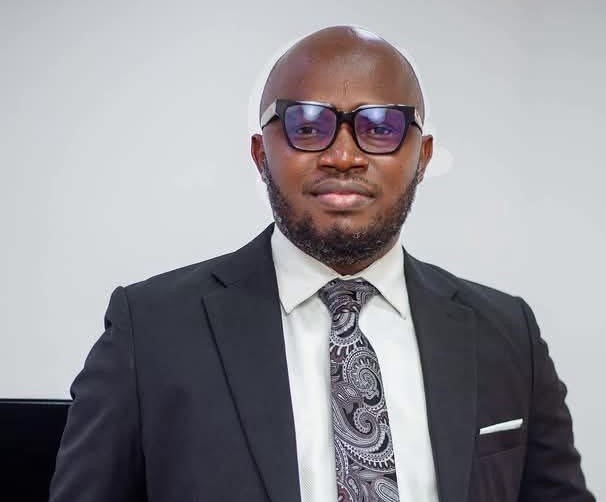
The Chief Executive Officer of the Social Investment Fund, Abass Nurudeen, has described the latest United Nations resolution on reparations for the transatlantic slave trade as a historic turning point in the global recognition of slavery as a crime against humanity.

Speaking on Metro TV’s Good Morning Ghana on March 26, Nurudeen said the decision by the UN General Assembly signals a major shift in how the world confronts the legacy of slavery and its enduring impact on Africa.
“On reparation, what happened at the UN General Assembly was quite significant. It recognises the transatlantic slave trade not just as an unfortunate episode in history, but the gravest crime against humanity,” he said.
According to him, the resolution acknowledges the scale of the injustice, noting that more than 12.5 million Africans were forcibly taken from the continent over a period of about 400 years, with lasting economic and social consequences.
He said the effects of slavery go beyond economic underdevelopment, arguing that it also created deep psychological scars and entrenched global racial inequalities that persist today.
Nurudeen cited estimates that place the economic cost of slavery to Africa at about 100 trillion dollars, describing it as a loss the continent continues to grapple with.
While the UN resolution is not legally binding, he said it lays the groundwork for future claims for reparatory justice.
“Often, people reduce reparations to money, but it goes beyond that. Even the acknowledgement of slavery as the gravest crime against humanity is in itself a form of reparation,” he explained.
He called for concrete steps including formal apologies from countries involved in the slave trade, as well as the return of cultural artefacts taken from African kingdoms such as the Ashanti, Benin and Dahomey.
Nurudeen also urged global efforts to memorialise slavery through education and annual commemorations to ensure such atrocities are never repeated.
“This is a victory for Africa. It is something we must celebrate, but also reflect on as we push for full reparatory justice,” he added.
The UN General Assembly adopted the resolution with 123 member states voting in favour, with only three countries opposing and 52 abstaining.
Metrotvonline


