


By Juliet Akosua Danquah

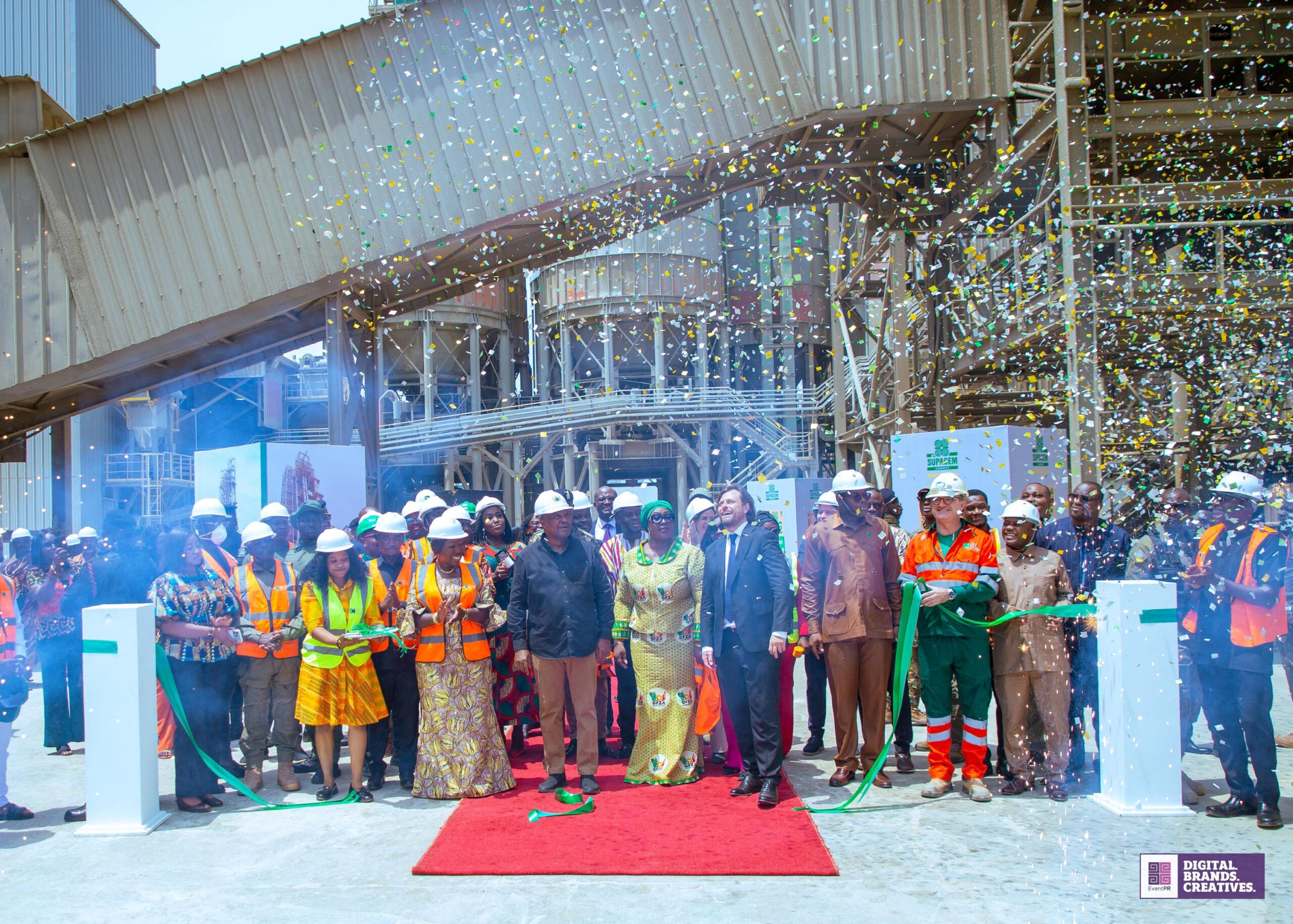
CBI Ghana Ltd., made history on March 5, 2026, with the official commissioning of the world’s largest calcined clay plant in Tema, Ghana. This $110 million facility revolutionizes Ghana’s construction industry through sustainable innovation, reducing dependence on imported clinker and positioning Ghana as a global leader in green construction.
President John Mahama stated, “What CBI Ghana has built here is a statement about Ghanaian potential. For decades, our industrial growth has faced a punishing import bill… Today, we are proving that responsible African industrialisation is possible.”
Frédéric Albrecht, Managing Director of CBI Ghana Ltd., added, “The eyes of the cement world are on Ghana as we set a new global standard for sustainable construction… We are replacing imported clinker with locally produced calcined clay, cutting carbon emissions by up to 40%, similar to taking 80,000 cars off the road every year.”
The plant has a production capacity of 400,000 tons of calcined clay per year, reducing clinker imports and supporting domestic value chains, job creation, and foreign exchange retention. Its LC3 technology delivers a 40% CO₂ reduction, driving Ghana’s climate and sustainability goals. The facility is the world’s largest Limestone Calcined Clay Cement (LC3) plant, with advanced packing technology and significant economic impact.
Fact Sheet:
● Global Leadership: World’s largest LC3 plant
● Production Capacity: 400,000 tons/year
● Efficiency: Advanced packing technology
● Economic Impact: Reduces clinker imports, supports job creation and foreign exchange retention
● Sustainability: 40% CO₂ reduction, energy-efficient production


