


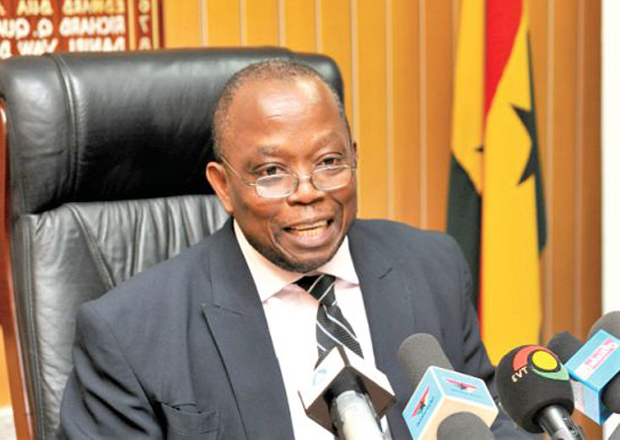
Former Auditor-General Daniel Domelevo has called on then Auditor-General Johnson Akuamoah Asiedu to explain a significant discrepancy between the amount reportedly spent on COVID-19 fumigation and the figure captured in a special audit.

His comments follow an investigation by journalist Manasseh Azure Awuni, which found that Ghana may have spent at least GH¢720 million on COVID-19 fumigation, far exceeding the GH¢96 million recorded for the exercise in the Auditor-General’s special audit.
Speaking on Joy FM’s Midday News on Tuesday, September 15, Mr Domelevo said the Auditor-General who oversaw the audit must be invited to clarify how the discrepancy occurred.
“I believe we call the Auditor-General then, so that we can throw light on the audit for us to know why that happened,” he said.
Information withheld or audit weakness?
Mr Domelevo said there were two possible explanations for the discrepancy.
He suggested that relevant information may have been withheld from the auditors, or that there could have been weaknesses in the planning and execution of the audit.
He noted that if public officials deliberately withheld information from auditors, the conduct could constitute a serious offence under Section 33 of the Audit Service Act, which requires persons and institutions to provide information necessary for an audit.
“But if it is not they hid information and the audit which reported or underreported, then that is more serious,” he added.
Mr Domelevo stressed that he could not determine which of the two scenarios occurred because he was not involved in the audit.
“I didn’t do the audit,” he noted.
He therefore urged that the Auditor-General at the time be called upon to explain the circumstances surrounding the reported expenditure.
The investigation examined COVID-19-related expenditure by the Ministries of Education, Transport and Local Government and found evidence suggesting that the cost of fumigation was substantially higher than the GH¢96 million captured in the special audit.
The special audit, commissioned in 2022, was intended, among other objectives, to determine whether financial records fairly presented receipts and payments from the COVID-19 funds.


