


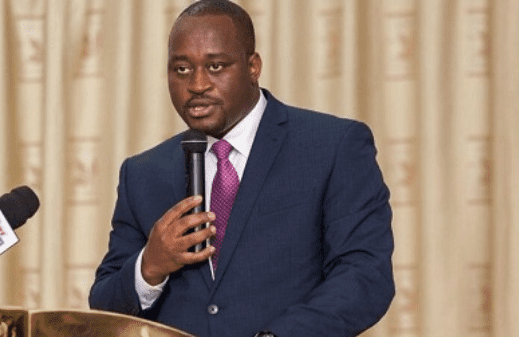
Economist and political risk specialist Dr Theo Acheampong says Ghana has restored its economic fundamentals in approximately 18 months, a process he argues would typically take at least five years following a crisis.

Acheampong, a Technical Advisor at the Ministry of Finance, said the pace of the country’s economic recovery has attracted investor attention, with many seeking to understand how the turnaround was achieved.
Speaking to George Wiafe on Joy News’ PM Express Business Edition on Thursday, he attributed the progress to reforms in taxation, tighter expenditure controls and improved payments to statutory funds.
He noted that Ghana’s economic crisis between 2022 and 2024 would ordinarily require several years of sustained reforms to address its underlying challenges. However, he said the country had managed to restore key economic fundamentals within a year and a half.
According to Acheampong, investors are increasingly recognising improvements in the economy’s underlying conditions, particularly Ghana’s enhanced capacity to meet its debt obligations.
He cautioned against attributing the recovery solely to favourable commodity prices, particularly gold earnings, insisting that deliberate policy reforms had played a significant role in sustaining the gains.
On revenue mobilisation, Acheampong said Ghana’s tax-to-GDP ratio had increased from 11.5 per cent to nearly 13 per cent, although he did not provide an exact figure for the latest period.
He also highlighted stricter controls on government spending commitments and efforts to ensure public expenditure is directed towards priority areas.
Acheampong further said the government had cleared inherited arrears and improved the timeliness of transfers to statutory funds, including the District Assemblies Common Fund and the National Health Insurance Fund.
“For the first time, we remain current on these funds,” he said, adding that the required transfers had been made for the period between January and August or September of the year under discussion.
He contrasted this with previous arrangements, under which funds due in January could take until September to be released.
Acheampong argued that these improvements in revenue collection, expenditure management and statutory payments provide evidence of stronger fiscal discipline and form an important part of Ghana’s economic recovery narrative to international investors.
He maintained that the turnaround reflects not only favourable commodity earnings but also structural changes in how the government mobilises revenue, manages public spending and fulfils its financial obligations.


