


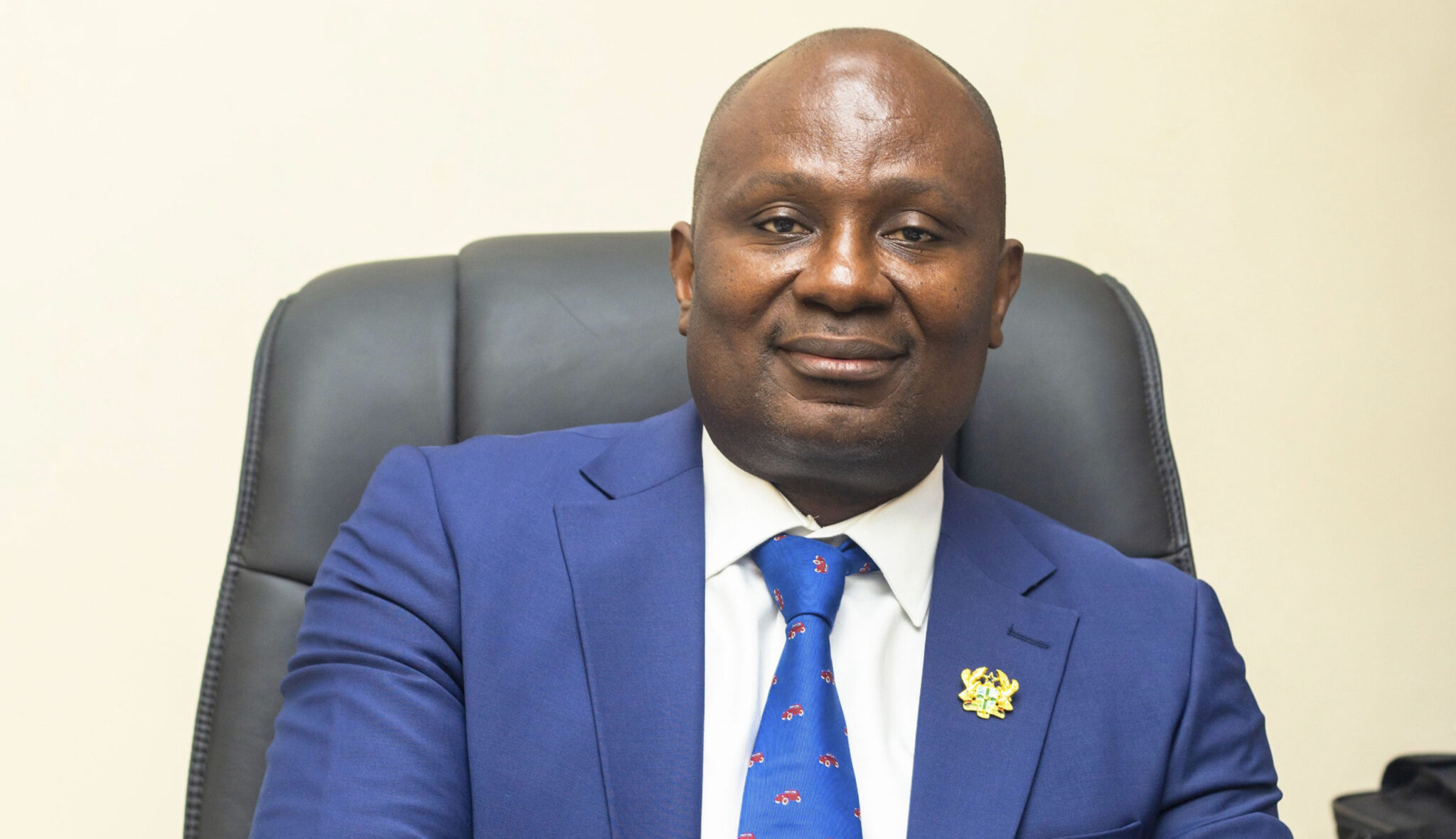
The Ashanti Regional Chairman of the Ghana Registered Nurses and Midwives Association (GRNMA), Jones Afriyie-Anto, has defended the actions taken by management and health professionals at the Komfo Anokye Teaching Hospital (KATH), insisting that no individual should be punished over the recent bed capacity crisis at the facility.

Speaking on Joy News PM Express on Tuesday, Mr Afriyie-Anto explained that the union’s decision to suspend its planned industrial action was influenced by interventions from the Asantehene, the KATH Board, and assurances from regional authorities.
“We suspended it because, first of all, we are in the Ashanti Region, and where the message came from is such that you have to listen,” he said.
“The Asantehene himself and the board of Komfo Anokye Teaching Hospital, and so it is such that you have to listen.”
His comments come in the wake of controversy surrounding the suspension of KATH Chief Executive Officer, Dr Paa Kwesi Baidoo, following public outrage over severe congestion and bed shortages at the hospital, widely described as the “No Bed Syndrome.”
The crisis sparked tensions within the health sector and led to threats of industrial action by some health workers before key stakeholders intervened.
Mr Afriyie-Anto said assurances from the Ashanti Regional Minister and the Regional Coordinating Council gave the union confidence to suspend the action and allow room for dialogue.
“The assurances were good, and we hope that it will be tackled,” he stated.
He argued, however, that the situation at KATH was not unusual in emergency healthcare delivery and did not indicate wrongdoing by management.
“We needed to do this to show that what happened at the hospital was nothing unusual,” he said.
According to him, hospitals around the world are required to activate emergency protocols when patient numbers exceed available capacity.
“It is the right thing to do. It is the internationally accepted practice for nurses and midwives and other emergency teams at any emergency room to do that,” he explained.
He said that when hospitals become overwhelmed, they are expected to declare what is known as a critical incident.
“When you are overwhelmed with the cases, you declare what we call critical incidents, and that is exactly what was done,” he said.
“And so nobody should be punished for it.”
The GRNMA chairman also questioned attempts to place responsibility solely on the hospital’s CEO, stressing that clinical decisions are made by healthcare professionals and not necessarily by hospital administrators.
“If we are communicating to the world from the hospital, it should be done by the Chief Executive Officer, who has the right to speak on behalf of the hospital,” he said.
He clarified, however, that this does not mean operational and clinical decisions originate from the CEO.
“It doesn’t necessarily mean that clinical decisions are necessarily coming from him,” he noted.
To illustrate his point, Mr Afriyie-Anto said a hospital CEO could even come from a non-clinical background, such as accounting, yet would still serve as the institution’s spokesperson and administrator.
“I asked if there’s a day that we will have an accountant, which is possible, who will become the chief executive officer of a teaching hospital.
“Are we going to blame him? Because obviously those decisions might not have come from him as a chief executive officer, but have come from the professionals who know the right thing to do.”
Mr Afriyie-Anto maintained that KATH’s declaration of a critical incident was a professional response to extraordinary pressure on the hospital and should not become grounds for punitive action against any individual.


