



Ghanaian filmmakers have been urged to tell authentic local stories, strengthen distribution networks and attract investment to expand the reach of their productions.

The call was made at the launch of the second Peruvian Film Festival at the University of Media, Arts and Communication (UniMAC), South Legon campus, in Accra, on Thursday, October 8, 2026.
Organised by the Embassy of Peru in Ghana in collaboration with the National Film Authority (NFA) and UniMAC, the festival was held under the theme, “The Role of Film in Shaping Societies & Promoting National Culture on the Global Stage.”
The event brought together filmmakers, cultural representatives, industry executives and students from Ghana and Peru to discuss cinema’s role in preserving cultural identity and strengthening international relations.
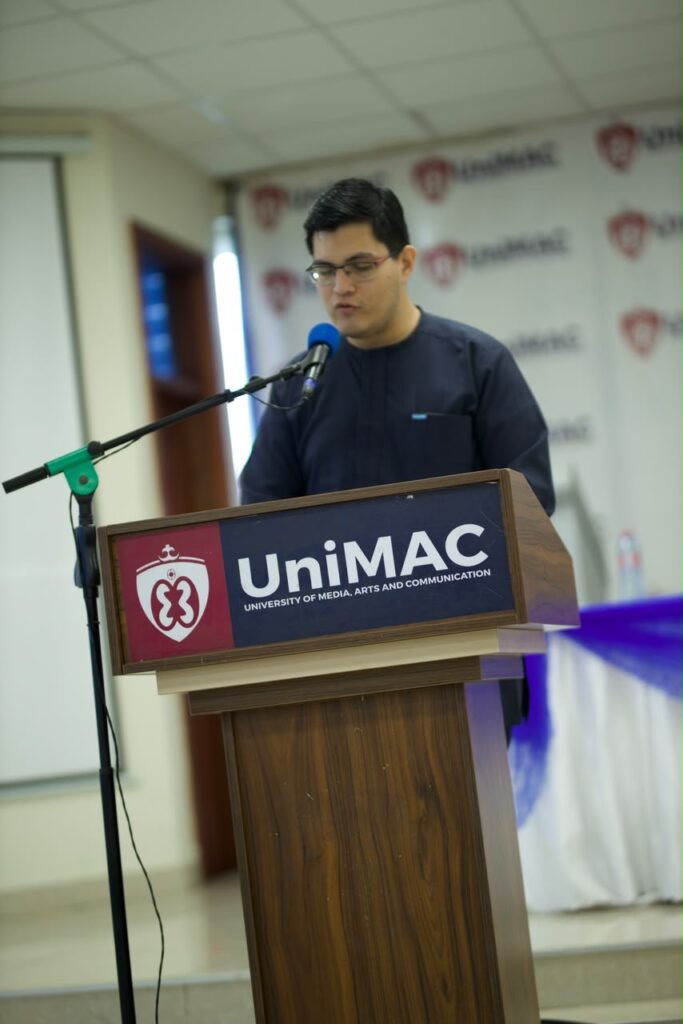
Deputy Ambassador of Peru to Ghana, Jonathan Quevedo, said the festival aimed to promote cultural exchange and create opportunities for joint productions, academic exchanges and creative partnerships between the two countries.
Acting Head of UniMAC’s Department of Production Techniques and Digital Technologies, Dr Joseph Aketeman, urged filmmakers to challenge stereotypes and tell stories that accurately reflect their histories, identities and cultures.
During a panel discussion, filmmaker and producer Yaw Firempong Boakye said filmmakers did not need to create stories specifically for international audiences, arguing that authentic local stories could attract viewers beyond Ghana.
Filmmaker and creative director Epiphania Sarah Ama Ablorde highlighted the importance of commercial viability and better distribution, expressing a desire to see more Ghanaian films on prominent platforms.
Deputy Executive Secretary of the NFA, James Gardiner, also emphasised the importance of cultural representation and collaboration between filmmakers and writers. He said the Authority was discussing a proposed script bank to strengthen the supply of stories for the industry.
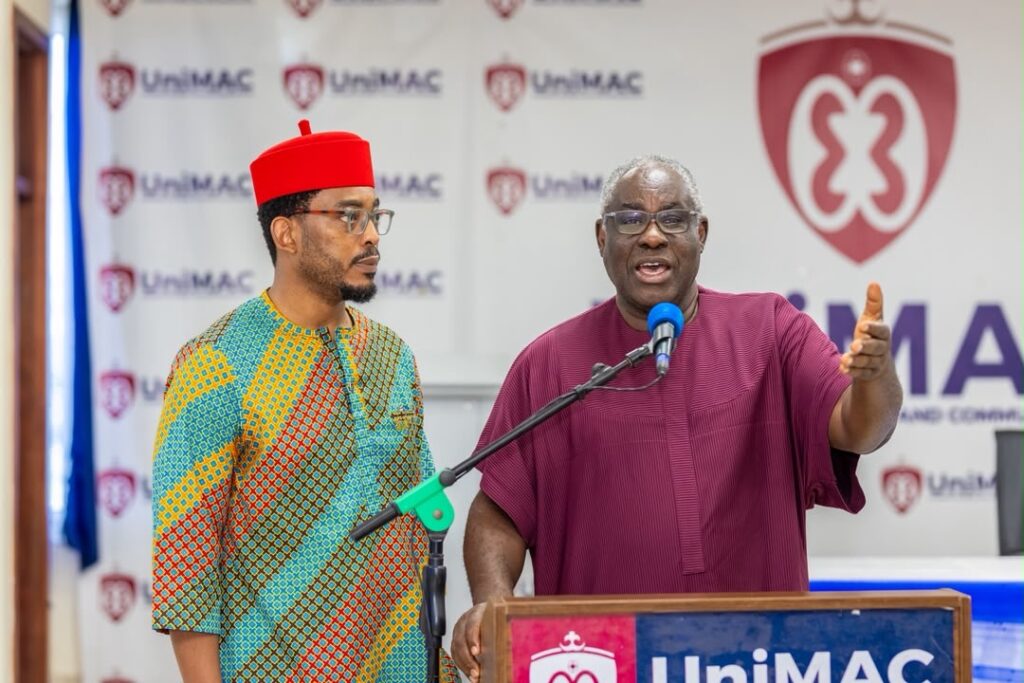
Delivering the keynote address, Acting Executive Secretary of the NFA, Kafui Danku-Pitcher, expressed hope that the festival would lead to lasting partnerships, co-productions and distribution opportunities between Ghana and Peru.
She also outlined plans for a cinema access initiative to bring film screenings to communities with limited access to conventional cinemas.
The discussions highlighted persistent challenges facing Ghana’s film industry, including financing, distribution and inadequate cinema infrastructure.
Although the government has allocated GH¢20 million to the Film Development Fund to support production, training, distribution and cinema infrastructure, industry stakeholders say sustainable funding and stronger routes to audiences remain essential.
The festival underscored the need for Ghanaian filmmakers to combine authentic storytelling with effective financing and distribution strategies to reach wider audiences without losing the cultural identity that makes their work distinctive.


